Characteristics and Scientific Application Methods of Special Compound Fertilizer for Tobacco
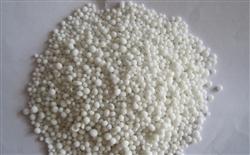
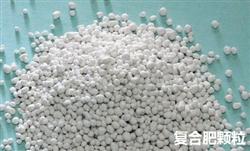
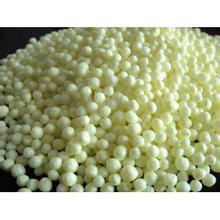
Special compound fertilizer for tobacco is a fertilizer specially designed according to the growth patterns of tobacco and the requirements for the formation of leaf quality. It generally uses nitrogen, phosphorus and potassium as the main nutrients, blended in proportions that match the fertilizer needs of tobacco, and some products also add secondary and trace elements such as magnesium and zinc. It is highly targeted, and common forms include granular compound fertilizer and blended fertilizer.
Tobacco is a typical potassium-loving crop, and it is also relatively sensitive to chlorine; excessive chlorine affects the combustibility and intrinsic quality of the tobacco leaf. Therefore, special compound fertilizer for tobacco usually uses potassium sulfate as the main potassium source, avoids chlorine-containing raw materials, and places greater emphasis on an adequate supply of potassium in the nutrient ratio. This is also an important feature that distinguishes it from ordinary compound fertilizer.
In terms of application, it is mostly used as a base fertilizer, which can be applied deeply in furrows together with land preparation, while topdressing is carried out in several applications according to the growth of the tobacco plants. When fertilizing, attention should be paid to using it together with organic fertilizer, avoiding concentrated application of fertilizer near the roots, which can burn the seedlings, and rationally adjusting the amount according to soil fertility conditions and planting goals. For specific amounts and ratios, it is recommended to refer to the product instructions or the guidance of the local agricultural technology department.
When purchasing, check the nutrient labeling and executive standards on the packaging, and confirm the type of potassium source and whether it contains chlorine. During storage, it should be placed in a cool, dry place, with attention to moisture-proofing and sun protection, to avoid caking and nutrient loss. If abnormal conditions such as yellowing or wilting of leaves appear in the tobacco plants after fertilization, the fertilization method, amount and weather conditions should be checked promptly to identify the cause and make adjustments.
Related Reading