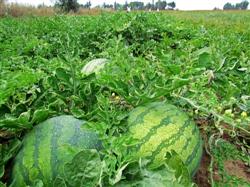
Watermelon and sugarcane compound special fertilizer should be applied scientifically according to the growth stage
Watermelon and sugarcane compound special fertilizer is a compound fertilizer specially formulated according to the nutritional requirements of watermelon and sugarcane. These two crops are both potassium-loving crops, and the sweetness of the fruit and the sugar content of the stalks cannot be achieved without an adequate supply of potassium, so special fertilizers mostly use a high-potassium formula, with a nitrogen-phosphorus-potassium ratio that better matches their growth patterns.
Compared with general-purpose compound fertilizers, this type of special fertilizer often also adds medium and trace elements such as boron, zinc and magnesium in addition to nitrogen, phosphorus and potassium, which helps promote flowering and fruit setting and sugar accumulation, and improves the quality of the fruit and stalks. Some products also include components such as humic acid and amino acids, which also help improve the soil and enhance fertilizer efficiency.
In terms of application, it is generally based mainly on base fertilizer, combined with topdressing. The base fertilizer can be applied in furrows or holes before land preparation or planting, taking care to keep an appropriate distance from seeds and seedling roots to prevent root and seedling burn. During the vine extension stage and fruit enlargement stage of watermelon, and the tillering stage and elongation stage of sugarcane, topdressing can be applied in appropriate amounts according to growth conditions, and nitrogen fertilizer should be appropriately controlled in the later growth stage to avoid excessive vine growth and reduced sweetness.
In practical application, the fertilization amount should be flexibly adjusted according to soil fertility, the amount of organic fertilizer used and plant growth conditions, to avoid waste or fertilizer damage caused by applying too much at one time. Fertilizer should be stored in a cool, dry place, and attention should be paid to moisture-proofing and preventing caking. If abnormalities such as yellowing or curling leaves appear after fertilization, the application concentration and method should be checked and adjusted in a timely manner, and local agricultural technicians should be consulted when necessary.