The types and usage of flower fertilizers determine the results of growing flowers
Flower fertilizer is the general term for fertilizers specially formulated for the growth of flowers. Its main role is to supplement the nitrogen, phosphorus, potassium, and medium and trace elements such as calcium, magnesium, and iron in the soil, so as to meet the nutrient needs of flowers at different growth stages. Compared with ordinary field fertilizers, flower fertilizers pay more attention to balanced and gentle nutrients, avoiding root burn caused by excessive concentration.
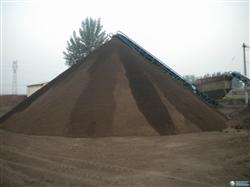
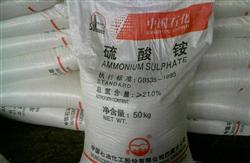
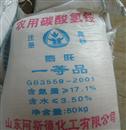
Divided by source, flower fertilizers can be broadly classified into two types: organic fertilizers and inorganic fertilizers. Organic fertilizers, such as decomposed cake fertilizer, bone meal, and plant ash, have a mild and lasting effect and can also improve soil structure; inorganic fertilizers, namely the commonly known chemical fertilizers, such as compound fertilizer, monopotassium phosphate, and ammonium sulfate, have high nutrient content and take effect quickly, making them suitable for topdressing during the peak growing season. In addition, there are foliar fertilizers for absorption through leaves, which are convenient to use, but their concentration and timing need to be scientifically controlled.
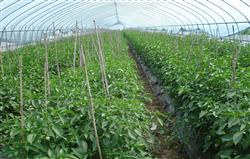
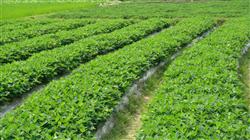
When fertilizing, the principle of light fertilizer applied frequently should be followed, and adjustments should be made flexibly according to different growth stages. During the branch and leaf growth period, nitrogen fertilizer should be the main type, which can promote robust stems and leaves; before budding and flowering, increasing the application of phosphorus and potassium fertilizers is beneficial to flower bud differentiation and abundant blooming; after flowering, nutrients should be appropriately supplemented to help the plant recover its growth vigor. Flowers in the dormant period, just after repotting, or with weak growth generally should not be fertilized, so as not to increase the burden.
Common fertilizer damage in daily care is mostly caused by excessive fertilization, too high concentration, or the use of undecomposed raw fertilizer, and is manifested as yellowing leaves, leaf drop, and even root rot. Once fertilizer damage is found, a large amount of clean water can be used to flush the potting soil, and in serious cases the plant needs to be removed from the pot, the soil changed, and replanted. Long-term application of only a single fertilizer can also easily cause nutrient deficiency. It is recommended to reasonably combine organic fertilizers with chemical fertilizers and apply them together with watering, so that flowers can grow vigorously and bloom continuously.
Related Reading