Blended compound fertilizers offer flexible nutrient ratios, and scientific application is key
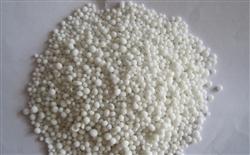
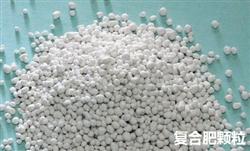
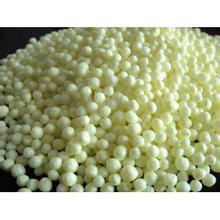
Blended compound fertilizer refers to fertilizer made by physically mixing base fertilizers that contain two or more nutrients such as nitrogen, phosphorus and potassium; some products are also granulated to make the nutrient distribution more uniform. Compared with chemically synthesized compound fertilizers, its production process is relatively simple, and the nutrient ratio can be flexibly adjusted according to different soil conditions and crop needs.
In terms of characteristics, the outstanding advantages of this type of fertilizer are flexible formulas and diverse nutrients. In addition to the three major elements nitrogen, phosphorus and potassium, medium and trace elements such as calcium, magnesium, sulfur, boron and zinc can also be added as needed, making it suitable for targeted replenishment of soil fertility. However, because it is mainly based on physical mixing, the appearance of granules and nutrient uniformity may differ between batches, and it is also more prone to moisture absorption and caking during storage, so storage conditions need attention.
Divided by processing method, some blended compound fertilizers are mixed and then granulated a second time, giving better granule strength and a more uniform nutrient distribution; others are mainly bulk blended, with a simpler process and relatively lower cost. When purchasing, you can consider the characteristics of both and choose according to planting needs and actual budget.
For application, it is recommended to first understand the soil nutrient status and then choose a suitable nutrient ratio. It is generally mostly used as a base fertilizer, applied in furrows or holes and covered with soil, avoiding direct contact with seeds and seedling roots. During storage, it should be kept in a dry, ventilated place and used up as soon as possible after opening to avoid moisture affecting fertilizer efficiency.