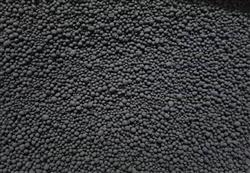
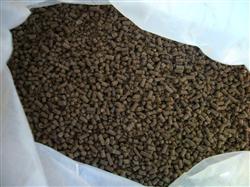
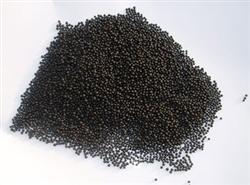
An Introduction to the Characteristics and Application Methods of Compound Microbial Fertilizer
Compound microbial fertilizer is a common type of microbial fertilizer, generally referring to a fertilizer product that contains two or more beneficial microbial strains and is often compounded with organic matter or nutrients such as nitrogen, phosphorus and potassium. Compared with biofertilizer made from a single microbial agent, it has more comprehensive functions: it can improve the soil environment through microbial activity and also provide a certain amount of nutrient support for crops. Common strains in this type of fertilizer include Bacillus, nitrogen-fixing bacteria, phosphate-solubilizing and potassium-solubilizing bacteria, Trichoderma, and others, with different strains respectively handling functions such as nitrogen fixation, decomposition of insoluble nutrients in the soil, and suppression of soil-borne diseases. Through the synergistic action of multiple strains, compound microbial fertilizer can activate soil nutrients, promote crop root development, and improve fertilizer use efficiency. In actual production, compound microbial fertilizer can be used as a base fertilizer or topdressing, and can also be applied in holes or furrows, making it suitable for a variety of planting scenarios such as grain crops, vegetables, and fruit trees. Long-term rational application helps improve soil structure, alleviate continuous cropping obstacles, and to a certain extent reduce the problems caused by excessive use of chemical fertilizers, which is of positive significance for the development of green agriculture. Methods need attention during use: microbial fertilizer should not be directly mixed with fungicides, so as not to affect the activity of effective bacteria; after application, the soil should be kept appropriately moist to help the strains colonize and multiply in the soil. At the same time, pay attention to the product's shelf life and storage conditions; it should generally be stored in a cool, dry place and protected from direct sunlight. When purchasing, you can check information such as the strain types and the number of effective live bacteria stated on the product label.