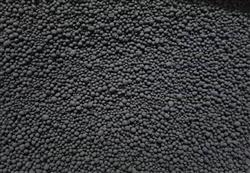
An Introduction to the Characteristics, Functions and Application Methods of Compound Microbial Fertilizer
Compound microbial fertilizer is a category of microbial fertilizer, referring to a fertilizer made by combining one or more beneficial microbial agents with organic matter, nitrogen, phosphorus, potassium and other nutrient carriers. It contains both living microorganisms and nutrients that crops can directly use, so it combines some of the characteristics of biological fertilizers and chemical fertilizers.
In terms of classification, common compound microbial fertilizers include organic compound types and inorganic compound types, and the microbial strains they contain are mostly Bacillus, nitrogen-fixing bacteria, phosphate-solubilizing and potassium-solubilizing bacteria, rhizobia, and so on. Different products vary considerably in strain composition, nutrient content and carrier materials, so when purchasing, pay attention to the registration certificate number and the range of applicable crops.
In application, this type of fertilizer can improve the soil micro-ecological environment, promote the reproduction of beneficial microbial communities in the soil, and help increase nutrient use efficiency, which is of some significance for building soil fertility and reducing the amount of chemical fertilizer used. It is suitable for many planting scenarios such as field crops, vegetables and fruit trees, and can be used as a base fertilizer or applied in furrows or holes together with topdressing.
When applying it, note that the living bacteria are afraid of direct strong light and high temperature and dryness, so it should be used as soon as possible after opening the bag, and exposure to the sun and humid environments should be avoided during storage. At the same time, it should not be mixed directly with fungicides, so as not to affect the activity of the bacteria; applying it together with organic fertilizer and maintaining suitable soil temperature and moisture usually gives better results. If the effect is not obvious after use, it is mostly related to soil conditions, application methods or improper storage, and the usage can be adjusted according to the actual field situation.