How to Grow Pitcher Plants: Mastering Temperature, Humidity and Light Is Key
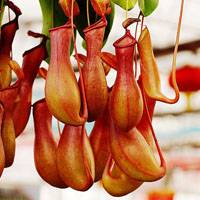
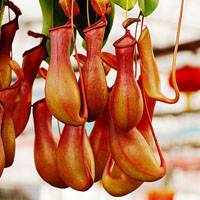
The pitcher plant (Nepenthes) is a tropical carnivorous vine, named for the distinctive pitcher traps hanging from the tips of its leaves, and it is also known by folk names such as "thunder god pot." It is native to hot, humid environments, and when grown at home you should try to mimic those conditions, with temperature and humidity being the key to success. The suitable growing temperature for most varieties is around 18 to 30 degrees Celsius, and in winter you should keep it warm and protect it from freezing, avoiding damage to the plant from low temperatures.
As for light, pitcher plants like bright, indirect light and dislike direct harsh sun. They can be placed near an east- or north-facing windowsill, or strong light can be filtered with a shade net. Air humidity is best kept at a high level over the long term; when the weather is dry, you can mist around the plant frequently, or raise humidity with a water tray or humidifier, otherwise new pitchers will be very difficult to form successfully.
The growing medium should be loose and airy, moisture-retentive and on the acidic side. A common mix is sphagnum moss and peat soil combined with bark or perlite, and the pot should be a style with good breathability. For watering, soft water is best, such as purified water or collected rainwater; tap water is best left to stand before use. Keep the medium moist but not waterlogged, and avoid the potting soil drying out and getting soaked alternately.
Pitcher plants tolerate poor soil and rely mainly on their pitchers to supplement nutrients, so fertilizing must be done with extra caution; strong fertilizer easily burns the roots, so generally you only need to occasionally water in a very dilute liquid fertilizer. If the pitchers do not grow for a long time or wither frequently, it is mostly related to insufficient humidity, weak light or a sudden change in environment; once conditions are stable, the plant can usually recover gradually.