A Detailed Guide to the Ornamental Features and Home Care Methods of Tradescantia pallida
Tradescantia pallida is a perennial herbaceous plant of the Commelinaceae family, also known as purple queen and purple heart, named for its stems and leaves that stay purplish-red all year round. It originated in tropical America, and today it is cultivated in many parts of our country as a very popular foliage houseplant.
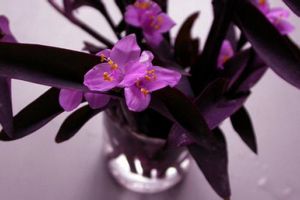
The stems of Tradescantia pallida are fleshy and soft, growing in a creeping manner, and readily root at the nodes once they touch the soil. The leaves are alternate and lance-shaped, covered with a layer of fine fuzz on the surface; in ample light the purple is rich and vivid, while long periods without light turn it dull and greenish. In summer and autumn it produces small pale purple flowers, with three petals paired with yellow stamens, delicate and distinctive.
For care, Tradescantia pallida likes a warm, humid environment with plenty of sunlight; it tolerates partial shade but fears severe cold, so in winter it should be moved indoors and watered less. During the growing season keep the potting soil slightly moist, apply some dilute liquid fertilizer as appropriate, and pinch out the growing tips at the right time to make the plant fuller. Propagation is mainly by cuttings; cut a section of stem and insert it into moist soil, and it will quickly root and survive.
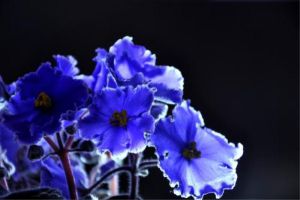
Tradescantia pallida can be grown as a single plant in a pot on a windowsill or desk, and it is also well suited to hanging baskets, with the purple stems trailing down naturally for a strong ornamental effect. Note that its sap can irritate the skin of some people, so it is best to wear gloves when pruning. Also, it is only similar in name to the violet; the former is a foliage herb, while the latter is a common flowering plant, so do not confuse them when buying.