Detailed Guide to Growing and Caring for Cane Begonia
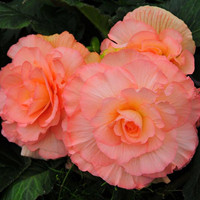
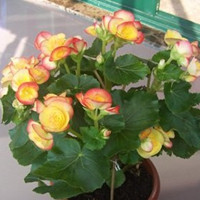
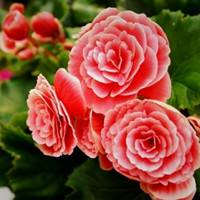
Cane begonia, also known as bamboo begonia, is a perennial evergreen herb in the genus Begonia of the family Begoniaceae. It gets its name because its stems, like bamboo, have distinct nodes. It is native to the region of Brazil. The plant has an upright form, with lopsided ovate leaves; the green leaf surface is covered with silvery-white spots, and the underside of the leaves is tinged with red. It often produces strings of small pink flowers, making it highly ornamental and a very popular indoor potted flowering plant.
In terms of growth habits, cane begonia prefers a warm, humid, and semi-shaded environment. It dislikes direct strong sunlight and is not cold-tolerant. When caring for it, place it in a spot with plenty of bright, indirect light. In summer, take care to shade it and keep it ventilated; in winter, move it indoors and keep it warm, as leaf drop is likely if the temperature is too low. A loose, fertile, well-drained, slightly acidic sandy soil is best.
In daily care, water according to the principle of watering when the soil is dry and letting it dry out between waterings; never allow water to accumulate in the pot, or root rot can easily occur. During the growing season, apply light but frequent fertilizer to encourage lush foliage, and pinch out the growing tips as appropriate to make the plant fuller. It is mainly propagated by cuttings: cut healthy stems and insert them into a sand bed or water, keep them moist, and they root fairly quickly with a high survival rate.
Cane begonia has a long flowering period, and with proper care it can bloom in multiple seasons. It is suitable for placing on a balcony, windowsill, or in the living room. If yellowing leaves, leaf drop, or leggy growth occur, it is usually related to insufficient light, overwatering, or unsuitable temperatures; simply adjust the care environment in time and it will gradually recover.