The tender seedlings of broom cypress can be eaten as a wild vegetable, while the mature plant can be tied into brooms for a wide range of uses
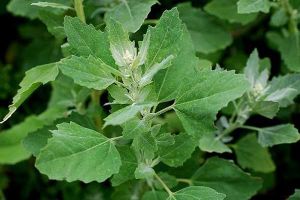
Broom cypress is the common folk name for the young, tender plant of Kochia scoparia, also called broom plant or broom seedling. It is an annual herb in the genus Kochia of the Amaranthaceae family (formerly placed in the Chenopodiaceae). It often grows at the edges of fields, along roadsides, on wasteland and around houses, and is distributed across most parts of the country. The plant has fine, dense, compact branches and leaves, forming an overall oval shape. It is green when young and often turns red in autumn, looking quite attractive from a distance.
Broom cypress is highly adaptable. It likes sunlight and a warm climate, tolerates drought and is fairly tolerant of saline and alkaline soil, and has low soil requirements, growing normally even on poor land. Because it is tough and easy to grow, farmers in the past often planted a few plants in courtyard corners and field edges. In summer and autumn they picked the tender seedlings as a wild vegetable, and once the plants grew old and dried, they were tied up to make a handy broom, serving two purposes at once.
As a wild vegetable, broom cypress is mainly eaten for its tender stems and leaves. After picking, trim and wash them clean, blanch them briefly in boiling water, and they can be served cold, stir-fried, or mixed with flour and steamed, then dipped in seasoning. They can also be chopped to make fillings for dumplings and steamed buns. It has a refreshing taste with a faint grassy fragrance, and the cooking methods are similar to those for common wild vegetables such as lamb's quarters. If eating it for the first time, it is best to try only a small amount.
Besides being eaten and used to make brooms, broom cypress has a neat plant shape and red autumn leaves, giving it some ornamental value as well, and it can be used to accent courtyards or in flower borders. Its mature seeds are called Kochia fruit in traditional medicine; whether it is suitable for use should be discussed with a physician. When picking wild vegetables, be careful to avoid roadsides and field edges that have been sprayed with pesticides to ensure the food is safe to eat.
Related Reading