Prune jasmine and petunias like this, and one cut makes them explode with growth
Vines
Vining plants such as climbing roses and rose bushes grow very quickly in summer. Overly dense, tangled branches not only look bad but also easily lead to pests and diseases, so they must be pruned. Plants cultivated for two to three years do not need pruning.
Pruning tips
1. Pre-bloom pruning: In late winter or early spring, cut off 1/4 of the old branches and adjust the size and shape of the remaining branches. Keep 2~3 buds on side branches. When new buds grow to 3~4 cm, keep only 1~2 buds. Keep 4~6 flower buds per pot of roses to concentrate nutrients, and remove all other new buds.
2. Pruning during the flowering period: Keep the main branches, cut off dead, weak, and diseased branches at any time, and according to the available growing space, shorten overly long side branches (5~8cm) to make the flowering branches even and allow light through, leaving enough room for growth.
3. Post-bloom pruning: Generally from June to July, remove spent flowers at any time; in addition, for healthy branches, cut off 1/3~1/2 of the branch, thin branches can be cut by 2/3 of their length, and overly thin and weak branches should be cut off entirely.
Woody plants
Woody plants generally have two types of branches. One is long branches, used to cultivate the main trunk. If they grow too long and dense in summer, they can be shortened. The other is short flowering branches, which are lightly pruned after flowering.
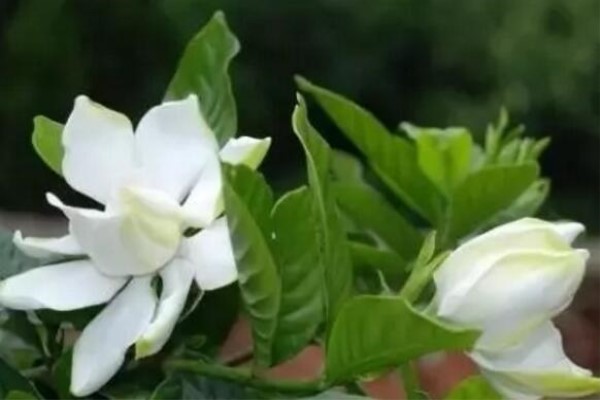
Gardenia
Gardenias grow vigorously in summer and are prone to leggy growth and few flowers, so they must be pruned.
Pruning tips
1. Early growth stage: Prune lightly after budding, mainly cutting back some of the top flower branches to promote the development of side branches and increase the number of flower buds later.
2. Vigorous growth stage: Prune messy, overlapping flower branches, weak branches, parallel branches, crossing branches, etc., and remove overly dense terminal buds. Generally keep 2~3 buds on one branch.
3. Flowering stage: After flower buds appear, keep 2~3 on each thick branch, 1 on weak branches, and cut off the rest to ensure concentrated nutrients for flowering.
4. After flowers fade: Cut off the flower branches in time to promote the sprouting of new buds. When the new buds grow to two or three nodes, pinch off the tips; at the same time, cut off some axillary buds to promote the growth of the main branches.
Jasmine
If jasmine is not pruned carefully during care and grows too densely, it will likewise lead to weak flowering branches and few flowers.
Pruning tips
1. In spring, promptly cut off dead, weak, and thin branches after overwintering. Cut healthy thick branches to about 15cm to sprout new buds.
2. When spring shoots grow to 4~5 nodes, pinch off the tips. For branches with no flower buds at the top, remove two pairs of young leaves to promote flower bud formation.
3. In summer, all leggy branches can be cut off; leaving them on the plant wastes nutrients. Cut off overly long branches to make the spatial layout reasonable.
4. After flowers fade, remove spent flowers and cut off the remaining branches and dead branches between 1~3 nodes below the flower to preserve nutrients. It can bloom again in about half a month.
Summer-dormant types
Many flowers easily go dormant when high summer temperatures arrive, with slow growth and difficulty blooming, such as Christmas cactus. But if pruning is done well during the care period, there is no need to worry about getting through summer.
Pruning tips
1. After flowers fade, promptly remove spent flowers and cut the 3~4 stem segments below the flower short. Choose a sunny day for pruning.
2. Christmas cactus cultivated for 3~5 years should be heavily pruned, removing overly dense branches and leaves as well as aged and diseased branches to ensure sufficient growing space and ventilation. Do not prune in summer, but during care it should be placed in a spot with diffused light such as a north windowsill, watered as little as possible and not fertilized. Avoid too stuffy and too wet conditions to get through summer safely.
Herbaceous flowers
In summer, herbaceous flowers burst into full pots as soon as they bloom, very quickly, but they also fade quickly. A little trick to extend the flowering period and keep them bursting with blooms is: hard pruning! Below, I'll take petunias as an example to introduce it.
Pruning tips
1. Generally pinch the tips in the early growth stage. When new branches grow 5 or 6 leaves, remove the top 2 leaves. After side branches grow new leaves, pinch their tips as well.
2. After flowering, when petunias fill the pot, the flowers will grow smaller and smaller. At this time, prune hard without hesitation, cutting off all flower branches and leaving enough nutrients for the newly emerging flower buds. After a week, they can continue to burst into full pots.
That's all for today's sharing.
Have all you flower lovers learned it?
Quickly check whether your flowers need pruning!