A Detailed Introduction to the Characteristics and Care Methods of the Coral Cactus
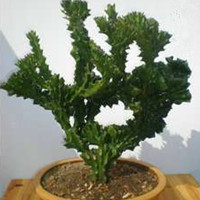
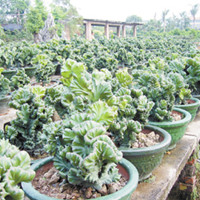
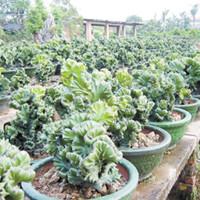
The coral cactus, also known as the jade qilin or qilin horn, is a succulent plant in the genus Euphorbia of the family Euphorbiaceae, generally considered a cristate mutation of Euphorbia neriifolia. Its stems are thick and fleshy, with a surface covered in cockscomb-like or irregular knotty protrusions, and its plant form is peculiar and quaint, resembling from a distance the imposing aura of the mythical qilin beast, making it highly ornamental.
The coral cactus is native to tropical arid regions and prefers a warm, dry environment with plenty of sunlight; it is drought-tolerant and afraid of waterlogging, and also afraid of cold. When cultivating it, a well-drained sandy soil should be chosen, and watering should follow the principle of watering when dry and stopping when wet; in winter, water should be controlled and the environment kept warm to avoid frost damage or root rot from low temperatures.
In daily care, sufficient light can keep the stems a deep green and the plant form compact, while long-term shade tends to cause spindly growth and deformation. During the growing season, some dilute liquid fertilizer can be applied appropriately; too concentrated or too much fertilizer will instead affect the beauty of the plant form. Propagation is mainly by cuttings: cut healthy stem segments, let the cut ends dry, then insert them into a sand bed and keep it slightly moist, and they will take root and survive.
It should be noted that the white milky sap in the stems of the coral cactus is toxic, so gloves should be worn when pruning or repotting to avoid the sap contacting the skin or splashing into the eyes; when grown at home, it should be placed where children and pets cannot easily reach it. Because of its unique plant form and evergreen foliage, the coral cactus is often kept as a potted plant on balconies, in living rooms and other places, and is also regarded by many flower enthusiasts as a stem-ornamental plant with auspicious meaning.
Related Reading