An Introduction to the Characteristics of the Elm-leaved Spiraea (Prunus triloba) and Its Planting and Care Methods
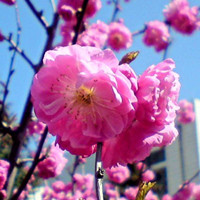
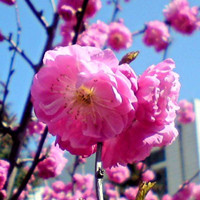
The elm-leaved spiraea (Prunus triloba) is a deciduous shrub or small tree in the rose family (Rosaceae) and the genus Prunus, named for its leaves, which resemble those of the elm. It blooms in early spring with pink flowers densely clustered along the branches; when in full bloom, the whole tree is covered in blossoms, making it one of the common early-spring ornamental flowering trees and shrubs in northern regions.
Common cultivated types include the single-flowered elm-leaved spiraea and the double-flowered elm-leaved spiraea, among which the double-flowered varieties have layer upon layer of petals and stronger ornamental appeal. In terms of plant form, some are upright while others have spreading branches; in gardens they can be planted as specimens, in groups, or pruned into flowering hedges.
The elm-leaved spiraea prefers a sunny environment, is fairly cold-hardy, and also tolerates drought and poor soil. It is not demanding about soil, but grows better in well-drained sandy loam. It dislikes waterlogging, so drainage should be attended to during the rainy season; for routine watering, it is best to let the soil dry out between waterings.
Pruning should be done after flowering, promptly removing spent flowers, dead branches and overly dense branches, which keeps the plant's shape attractive and also benefits flowering the following year. During the growing season, attention should be paid to controlling common pests such as aphids and red spider mites; maintaining ventilation and light penetration can reduce the occurrence of pests and diseases.
Because of its strong adaptability and relatively low-maintenance management, the elm-leaved spiraea is widely used in parks, street and courtyard landscaping. Planted in spring alongside flowering trees and shrubs such as forsythia and winter jasmine, it creates rich layers of color with a very striking ornamental effect.