How to Grow Poinsettia: Mastering Light, Watering and Overwintering Techniques
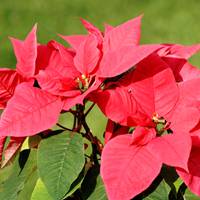
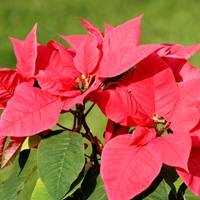
Poinsettia, also known as Christmas flower or flame-leaf flower, is an ornamental plant in the spurge family (Euphorbiaceae). Its top bracts turn bright red in winter and are often used as holiday decorations. It prefers a warm, humid environment with plenty of sunlight and is not cold-tolerant. In home care, the main efforts focus on light, temperature and water.
As for light, the poinsettia is a typical short-day plant. Normally it should be placed on a sunny windowsill or balcony with a long period of light exposure, so that the bracts develop a full, vivid color. In late autumn and early winter, shortening the daylight period can promote bract coloring. Be careful not to leave it in a too-dark corner for long periods, otherwise the plant tends to grow leggy and the leaves turn yellow and lose their luster.
As for temperature and watering, the suitable growing temperature is roughly between 15 and 25 degrees. In winter it needs to be moved indoors and kept above 10 degrees, away from direct cold drafts, otherwise the leaves are prone to freezing and dropping. Water according to the principle of watering when dry and letting it dry out between waterings: water thoroughly only after the soil surface dries out, and never let water accumulate, which causes root rot. When the air is dry, you can mist the leaves to increase humidity. During the growing season, apply light fertilizer frequently, and during flower bud differentiation supplement with phosphorus and potassium fertilizer, which helps flowering and coloring.
Common problems in care are leaf drop and dull bract color, which are mostly related to sudden temperature changes, overwatering or insufficient light. Once the cause is found and adjustments are made in time, the plant can recover. In addition, when the stems and leaves of the poinsettia are broken, they exude a white milky sap, so it is best to wear gloves when pruning or repotting to avoid skin irritation from the sap. After pruning, place the plant in a warm, ventilated spot to recover, and it will quickly regain its growth.