How to grow poinsettia? Detailed care methods and precautions
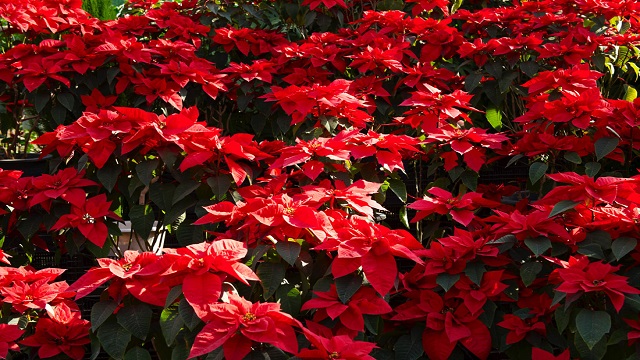
1. Growing environment
(1) Soil: Choose soil that is loose, airy, well-draining, and rich in nutrients. Specifically, sandy loam can be used.
(2) Light: Overall, poinsettia is quite light-loving and needs plenty of light. Otherwise, the plant will turn yellow and drop its leaves. In autumn and winter, it is best to provide full sun, and at the very least half-day sun. In summer, it can be shaded appropriately. During the flowering period, even more light is needed, so it can be placed in a bright spot.
(3) Temperature: It likes warmth. The most suitable range is 15 to 25°C. In winter, it needs to be above 15°C, otherwise the plant will drop its leaves and, in severe cases, freeze to death. However, it is also not tolerant of high temperatures, so it must be cooled down in summer as well.
(4) Fertilizer: When planting, some base fertilizer can be mixed into the soil. In addition, during the growing season, fertilizer can be supplemented, paying attention to a balance of nitrogen, phosphorus, and potassium fertilizers. Be careful to apply small amounts multiple times. During the flowering period, reduce nitrogen fertilizer.
(5) Watering: It likes moisture and grows quickly, so it needs sufficient water. In summer, it can be watered a bit more, but stop during rainy days. It also needs water in autumn and winter, about once every one or two days. When watering, do not get water on the leaves or flower buds.
2. Repotting
There is no fixed interval for repotting it. Whether to repot can be judged based on its height. When the height exceeds 40 to 50 cm, it needs to be repotted with fresh soil and into a larger pot. If the height has not reached that, it can be left without repotting for the time being.