Is Poinsettia Poisonous? Poinsettia Toxicity and Care Notes
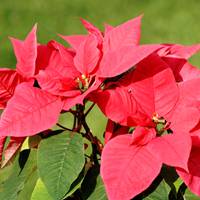
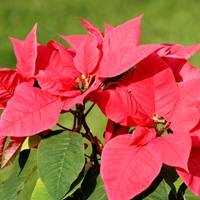
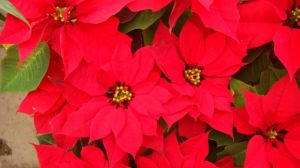
The poinsettia (Euphorbia pulcherrima) is an evergreen shrub in the genus Euphorbia, family Euphorbiaceae. Also known as the Christmas flower or Christmas red, it is often used as a holiday decoration because it usually blooms in winter and its bright red bracts at the top are strikingly showy. Many people worry that it is poisonous when growing it, but this issue needs to be viewed rationally.
When the branches and leaves of the poinsettia are broken, they exude a white milky sap. This sap contains certain irritating substances, and contact with the skin may cause mild discomfort such as redness and itching, while accidental ingestion may irritate the mouth and digestive tract, causing nausea or abdominal pain. However, its toxicity is generally mild, and it is not as highly toxic and deadly as rumored; simply placing it for viewing under normal conditions will not cause poisoning.
During routine pruning, cuttings or repotting, there are more opportunities to touch the sap, so it is advisable to wear gloves and wash your hands promptly afterwards; avoid letting the sap splash into your eyes or wounds, and if you have sensitive skin and experience obvious discomfort, rinse with clean water as soon as possible. If there are young children or pets at home, it is best to place the plant out of their reach to prevent chewing and accidental ingestion.
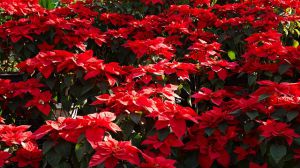
As long as it is handled properly, the poinsettia remains a common Lunar New Year flower and indoor ornamental plant. Its bright red bracts are festive and eye-catching, making it suitable for placement in bright, well-ventilated spots such as the living room or windowsill. As long as it is not eaten, contact with the sap is minimized, and the environment is kept well ventilated, you can safely enjoy the festive atmosphere it brings.