Rubber Plant Pruning Methods and Precautions
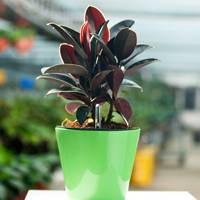
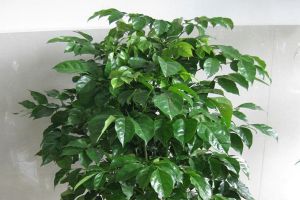
The rubber plant (Ficus elastica) is a common indoor foliage woody plant, with thick, glossy leaves and an upright form. It grows fairly quickly and its stems tend to become leggy; if left unpruned for a long time, the lower leaves often become sparse and the plant's shape loose, so regular pruning is an important part of keeping it looking good.
As for timing, pruning is mostly done during the peak growing season from spring to early summer, when the plant recovers quickly and has a strong ability to sprout side buds. In winter, growth is slow, so generally only light tidying is done, avoiding large-scale pruning that would make wounds hard to heal.
The main pruning methods include pinching, thinning and heading back. Pinching means cutting off the tender tips at the top to break apical dominance, prompting the lower side buds to sprout and making the plant fuller; thinning means removing overly dense branches, crossing branches, and dead or diseased branches to improve ventilation and light penetration; overly tall branches can be headed back appropriately to control the overall height. When yellowed or old leaves are noticed in normal care, they should also be removed promptly.
Note that the rubber plant's cuts exude a white milky sap that is somewhat irritating to the skin, so it is best to wear gloves when working, sterilize pruning tools in advance, and after cutting let the wounds dry to help them seal. After pruning, it is best to place the plant in a spot with plenty of scattered light and good ventilation, water it sparingly, and resume normal care once new buds emerge.