Keep one of these at home for stronger absorption of lint and formaldehyde removal
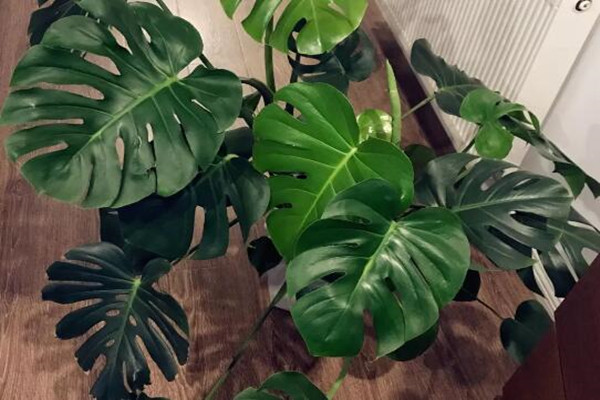
Monstera deliciosa, absorbs floating dust particles!
The leaves of Monstera deliciosa (Swiss cheese plant) are broad, and it can absorb dust and various floating particles in the air. Moreover, its ability to purify formaldehyde is increased by as much as 6 times, making it truly the top choice for the living room!
Care tips:
1. Monstera deliciosa is especially shade-tolerant, so it's fine even if the light at home isn't good. Just place it in a bright spot in the living room.
2. In spring and summer it grows vigorously and needs more water, about once every 3-5 days. Spray water on the leaves often, which not only makes the leaves of Monstera deliciosa more glossy, but also increases air humidity and makes the indoor air cleaner!
Rubber plant, great at absorbing dust!
The leaves of the rubber plant (Ficus elastica) are thick and fleshy, and can absorb floating dust and lint in the air onto their leaves, thereby making the indoor air cleaner. It can also absorb harmful substances such as formaldehyde and benzene.
Care tips:
1. The rubber plant is shade-tolerant, so just place it in a bright spot indoors. If you want it to grow vigorously, you can repot it in spring.
2. Spray water on the leaves and the surrounding air regularly to increase indoor air humidity; at the same time, wipe the leaves with a damp cloth to clean off dust, making the rubber plant's ability to absorb dust even stronger!
Snake plant, releases oxygen more efficiently!
The stomata of the snake plant (Sansevieria) close during the day and open at night to absorb carbon dioxide from the air, thereby increasing indoor oxygen levels, improving sleep quality, and thus benefiting health even more.
Care tips:
1. In spring, it can be kept on a bedroom balcony, and pay attention to shading at noon on hot days.
2. In spring, the snake plant can be divided. After dividing, bury 2-3 granules of compound fertilizer or fermented soybeans in the pot, so the snake plant will quickly fill the pot again!
Aglaonema, the more pollution, the more it absorbs!
Aglaonema (Chinese evergreen) has a very strong purifying ability. The higher the indoor pollutant level, the stronger its ability to absorb and purify, and it can absorb harmful substances such as nicotine and formaldehyde. Therefore, even if indoor ventilation is poor, you can still keep a pot of Aglaonema.
Care tips:
1. Aglaonema likes humidity and is not drought-tolerant. You can spray water on the leaves often, which not only makes Aglaonema grow more vigorously, but also increases indoor air humidity and prevents the air from being dry.
2. Aglaonema is poisonous. After the stem breaks, the liquid it secretes is especially spicy, even spicier than small chili peppers, so never let children in the home come into contact with it, let alone put it in their mouths.
Ivy, absorbs nicotine from secondhand smoke!
There are many stomata on ivy leaves. These stomata can directly convert harmful substances in the air, such as nicotine and benzene, into nutrients necessary for growth, and can also suppress carcinogens in secondhand smoke. If you have a plant lover at home who smokes, you definitely need a pot!
Care tips:
1. Place ivy in a bright spot in the living room, preferably high up, so the vines can hang down and make the plant shape look better.
2. Ivy likes high-humidity environments. Usually spray water on the leaves and surrounding air more often. About once every 2 weeks, spray a 0.2% potassium dihydrogen phosphate solution, which can make ivy leaves lush green and more vivid!
Peace lily, suppresses waste gases!
Waste gases exhaled by the human body, such as ammonia and acetone, can all be absorbed by the peace lily (Spathiphyllum), and it can also absorb harmful substances in the air such as formaldehyde and benzene. The leaves of the peace lily are broad and evaporate quickly, and it can also prevent nasal mucous membranes from drying out, making the body healthier!
Care tips:
1. For soil-cultured peace lilies, watering about once every 5-7 days is enough, but be careful that water must never accumulate in the pot; for hydroponic peace lilies, change the water once every 5 days to ensure the water quality stays clean.
2. If you want the peace lily's purifying ability to be stronger, you must spray water on the leaves regularly to keep them clean. You can also spray a little beer on the leaves, and the effect is also great!
That's all for today's introduction from Huahua!
Dear plant lovers, remember to hurry and keep a potted plant at home,
Don't get allergies from the lint!