Characteristics of Oriental Lilies and How to Care for Them at Home
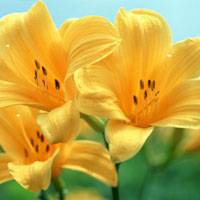
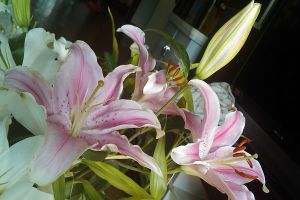
Oriental lily is a general term for a group of bulbous flowers in the genus Lilium of the family Liliaceae, mostly referring to Oriental lily hybrid varieties with a strong fragrance. Its flowers are large and spreading, commonly in white, pink and other color ranges, and the petals often carry spots or reddish-brown stripes. The fragrance is fresh, sweet and intense, making it one of the most popular cut flower materials on the market.
The flowers of common Oriental lily varieties are mainly white, pink and red, and a single plant can bear several to more than ten flowers, with the blooming period mostly concentrated in summer. It prefers a cool and humid climate and dislikes high temperatures and waterlogging. It is suitable for planting in loose, fertile, well-drained slightly acidic soil, and needs ample light during the growing period, while proper shading in midsummer is more conducive to flowering.
Home cultivation of Oriental lilies mostly uses bulbs as propagation material, and they can be planted in autumn or early spring, with a soil covering depth of about two to three times the height of the bulb. In daily care, keep the potting soil moist but not waterlogged. Around the bud stage, phosphorus and potassium fertilizer can be supplemented appropriately, and after flowering, the spent flowers should be cut off in time so that nutrients flow back to the bulb, laying a good foundation for flowering the next year.
Oriental lilies are suitable for courtyard arrangements, potted ornamental display and cut flower decoration. Their flower language symbolizes purity and beauty, and they are deeply loved by people. It should be noted that their pollen easily stains clothing, so the anthers can be removed before placing them in a vase; the fragrance is rather strong, so too many should not be placed in enclosed spaces such as bedrooms, and a small number of people may feel discomfort after prolonged exposure.
Related Reading