The difference between saffron and safflower, explained clearly from plant family to medicinal effects
Although saffron and safflower differ by only one character in Chinese, they are two completely different plants. Saffron, also called Tibetan saffron or fan saffron, is a perennial bulbous herb in the genus Crocus of the family Iridaceae; it is generally believed that in the past it was mostly transported into the interior via Tibet, hence the name. Safflower, often called grass safflower, is an annual or biennial herb in the genus Carthamus of the family Asteraceae, and it is cultivated in many regions of China.
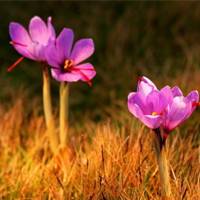
The two differ noticeably in form. The saffron plant is short and mostly blooms in autumn, with pale purple flowers, and the medicinal part is the three red stigmas inside the flower, which can only be picked by hand, so the yield is scarce and the price is relatively high. The safflower plant is taller, its leaf edges bear small spines, and it mostly blooms in summer, with flower color gradually changing from yellow to orange-red; the whole tubular flower is used medicinally, and harvesting it is relatively easy.
In terms of medicinal effects, both have the action of invigorating blood and resolving stasis, but each has its own emphasis. Safflower excels at invigorating blood and promoting menstruation, dispersing stasis and relieving pain; saffron has relatively milder medicinal power and also has the characteristics of cooling blood and removing toxin, relieving depression and calming the mind, and its dosage is generally smaller than that of safflower. It should be noted that both have relatively strong blood-invigorating effects, so neither is suitable for pregnant women, and how exactly to use them should follow a doctor's guidance.
When buying, you can start from the appearance. Saffron appears as dark red thin threads; after soaking in water, the liquid is a clear yellow, and the stigmas slowly swell and spread open; safflower, by contrast, is a fluffy tubular flower with a more orange-red color. There are occasionally cases on the market of dyed materials being passed off as saffron, so it is advisable to buy through proper channels and, when unsure, ask someone knowledgeable to help identify it.
Related Reading