An Introduction to the Characteristics of Forget-Me-Not Flowers and How to Grow and Care for Them
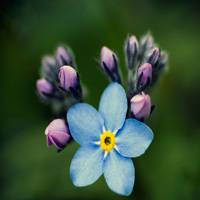
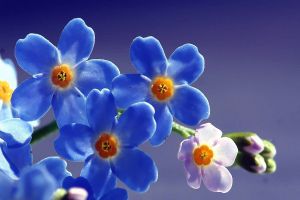
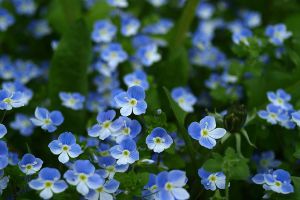
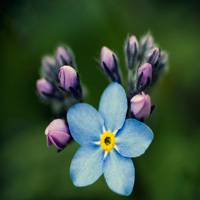
The forget-me-not is a common herbaceous ornamental flower, much loved for a name that symbolizes sincere and beautiful feelings. Its blue-purple flowers are the most representative, and there are also pink, white, yellow and other varieties; the blooms are small and densely packed, growing together in clusters, giving an overall fresh and natural ornamental effect.
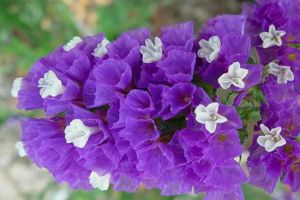
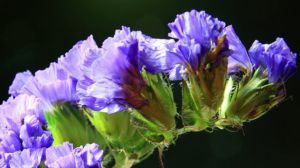
In terms of names, the forget-me-not is also known as wuwangcao, xingchenhua and other aliases, with local habits varying from place to place. It is worth noting that the forget-me-nots commonly seen in flower markets are mostly plants of the genus Limonium (sea lavender), which are not entirely the same as the forget-me-not in the botanical sense; however, because the flower shapes are similar and the symbolism is connected, they are generally referred to collectively as forget-me-nots in daily life.
Forget-me-nots are generally grown mainly from seed, usually in a cool season. They like a sunny, dry and cool environment, are drought-tolerant and afraid of waterlogging; for potted plants, choose loose, breathable soil with good drainage, and water according to the principle of watering when dry and stopping when wet, avoiding long-term dampness of the potting soil that can cause root rot. Keep sufficient light during the growing period, and the plants are less likely to become leggy, while flowering will also be more uniform.
In terms of use, the forget-me-not is a common cut flower material; placed in a vase, it can be enjoyed for a relatively long time, and after natural air-drying it can also be made into dried flowers, with good color retention, making it suitable for long-term display and decoration. Because the flower material has a light scent, it generally does not cause discomfort even when placed in a bedroom; just pay attention to keeping the area ventilated.
Related Reading