How to Grow Peonies: Master Autumn Planting and Daily Care Essentials
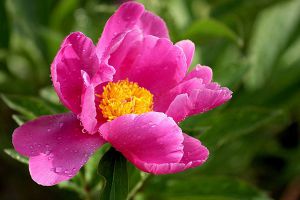
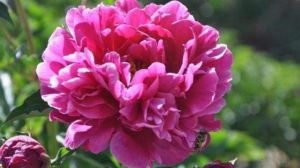
Peony (Paeonia lactiflora) is a perennial herbaceous flowering plant of the genus Paeonia. Its flower shape resembles that of the tree peony, with large, brightly colored blooms, and it has long been known as the "prime minister of flowers." It is fairly cold-hardy and can be grown outdoors in most parts of China. It is commonly used in courtyard landscaping and flower borders, and can also be grown in pots for ornamental display.
Autumn is the best time to plant peonies. There is a longstanding folk saying that peonies planted at the spring equinox will never bloom, because after autumn planting the roots can resume growth before winter, making it easier for the plant to flower normally the following spring. The planting site should have ample sunlight, and a loose, fertile, well-drained sandy loam soil is best; low-lying spots where water collects are not suitable for planting.
For routine watering, follow the principle of not watering until the soil is dry, and watering thoroughly when you do. Peonies dislike waterlogging, so drain promptly during the rainy season to prevent root rot. Fertilize once before bud break in early spring, once after the flowers fade, and once before autumn begins, mainly with well-rotted organic fertilizer; supplement with phosphorus and potassium fertilizer before flowering to make the colors more vivid and the blooms more abundant. Varieties with large flower heads tend to lodge at peak bloom, so stakes can be set up in advance to support them.
If the leaves turn yellow, it is often related to overwatering, insufficient light, or a lack of fertilizer. First identify the cause, then adjust your care accordingly. As long as you choose the right planting season and combine it with sensible watering, feeding, and light, peonies will produce abundant blooms year after year.