A Detailed Guide to Choosing Narcissus Bowls and Using Them for Water Culture
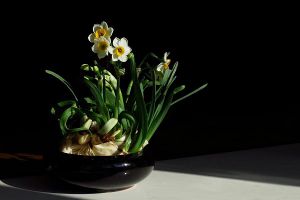
A narcissus bowl is a container specially used for planting or water-culturing narcissus (Narcissus spp.), and its most common form is a shallow, wide porcelain or ceramic bowl. Because narcissus bulbs are mostly grown in water, the bowl is lined with pebbles and filled with clean water to hold the bulbs in place, so narcissus bowls are usually wide in diameter and shallow in depth, making it easy to appreciate the overall arrangement of bulbs, roots, and flowers and foliage together.
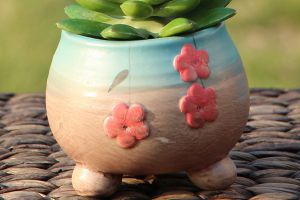
In terms of material, ceramic types are the most common for narcissus bowls; their glazed surface is smooth and easy to clean, and they look elegant and refined indoors. Glass bowls are transparent, so you can clearly see the state of root growth; there are also plastic, zisha (purple clay), and other materials, as well as craft bowls carved into landscapes, animals, and other shapes. If you use soil culture, you can also choose an ordinary flowerpot with drainage holes, which may be a little deeper than a water-culture bowl.
When using it, generally first spread a layer of washed pebbles or stones on the bottom of the bowl, place the narcissus bulb on the surface of the stones, and add water until it touches the base of the bulb; the water level should not be too high, so as to avoid the bulb rotting from being soaked in water. During care, change the water regularly to keep the water clean; when changing the water, you can also rinse the pebbles and the bowl walls to reduce the buildup of slime and impurities.
The common problem of root rot in water-cultured narcissus is mostly related to unclean water, high water temperature, or not changing the water for a long time. When the roots are found to be brown and sticky, change the water promptly and trim off the decayed parts. After the flowers fade, the nutrients in the bulb are basically used up, so you can wash the bowl and store it, then plant new bulbs the following year, or switch to growing other small hydroponic plants so the bowl can continue to be useful.
Related Reading