Water lettuce is a common floating ornamental plant, and learning how to care for it is not difficult
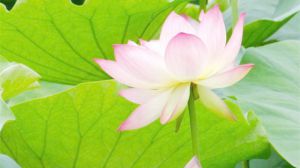
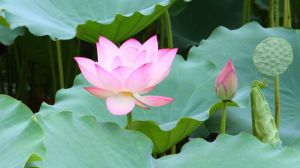
Water lettuce generally refers to water lettuce (Pistia stratiotes), a floating herbaceous plant in the genus Pistia of the Araceae family, also called water hyacinth, fat pig grass, or water cabbage in many places. Its leaves grow in tiered clusters, like lotuses floating on the water surface, and the leaf surface is covered with fine hairs and has a fluffy texture, which is how it got the name water lettuce. Note also that in some regions people habitually call the lotus water lettuce too, so when buying it is best to confirm using the scientific name and pictures to avoid buying the wrong plant.
Water lettuce likes a warm, humid environment and grows quickly, reproducing mainly by division through stolons, and under suitable conditions it can cover a stretch of water surface in a short time. It is not cold-tolerant, and when the water temperature is low in winter it is easily damaged by cold, so in northern regions it must be moved indoors or into heated water bodies to overwinter before winter arrives, and in southern regions open water surfaces also need attention during cold waves.
Daily care is not complicated: place it in a well-lit water tank, fish pond, or courtyard pond and keep the water clean. In summer, pay attention to ventilation, promptly remove old leaves, and scoop out overly dense plants to keep the water surface open. When planting it together with fish and lotuses, do not use too many, so as to avoid competing for oxygen at night and affecting the growth of other organisms.
Water lettuce has a distinctive leaf shape, looks good floating on the water surface, and can also absorb excess nutrients in the water, which helps improve water quality to some extent; in the past, rural areas often used it as green feed to feed pigs and fish. However, its reproductive capacity is very strong, and in some waters in the south it can easily run rampant; some regions have already controlled it as an invasive alien species, so home growers should regularly scoop it out and control it, and must never casually throw it into wild rivers.
Related Reading