Hibiscus mutabilis pictures: understanding the characteristics and care of the Confederate rose
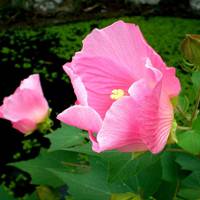
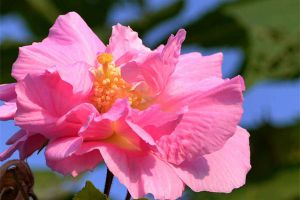
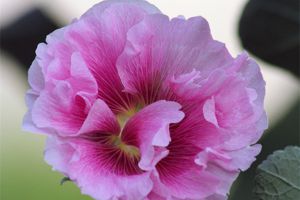
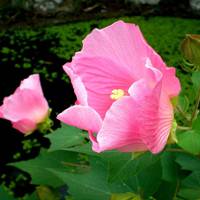
Most Hibiscus mutabilis pictures are taken of the Confederate rose, a deciduous shrub or small tree in the mallow family (Malvaceae) and the genus Hibiscus, and it is very common in southern China. When the Confederate rose blooms, the flowers are large and showy, with a shape similar to that of a peony, and it is often planted in courtyards, parks and beside water for viewing. Through a set of Confederate rose pictures, you can directly appreciate its layered petals and soft, beautiful coloring.
The most interesting characteristic of the Confederate rose is that its flower color changes over time. In the early morning when the flowers first open, they are mostly white or pale pink, then gradually deepen, and by evening they can be pink or red; because of this, some cultivars are called "three-drunk Confederate rose." Since it still blooms in autumn when fewer flowers are around, people also call it the "frost-defying flower." These features can often be seen very clearly in Confederate rose pictures.
For care, the Confederate rose likes a sunny, warm and humid environment, and it is not strict about soil, but it grows better in loose, fertile, well-drained soil. For routine watering, it is best to water when the soil is dry and stop when it is wet, avoiding long-term waterlogging; appropriate fertilizing during the growing season can produce more flowers and better flower color.
Many flower growers encounter yellowing leaves or rust spots on the leaf surface, which are usually related to overwatering, insufficient light or poor ventilation. If yellow leaves are found, remove them promptly and adjust water and fertilizer management; if diseased spots appear, increase ventilation, control humidity and, if necessary, prune diseased branches to reduce the spread of pathogens.
Besides enjoying Confederate rose pictures, its practical value is also quite high. It is suitable for specimen planting or group planting in courtyards beside water, and can also be used as a flowering hedge to beautify the environment. If conditions allow, you might as well plant one yourself and witness firsthand its unique charm of changing color from morning to evening.