Tropical plants prefer warmth and humidity; home care requires attention to light and moisture
Tropical plants are a group of plants that mainly grow in tropical regions. They are native to environments that are warm year-round with abundant rainfall. Common ornamental plants such as palms, Monstera deliciosa (Swiss cheese plant), Epipremnum aureum (pothos), Areca palms (Dypsis lutescens), and Strelitzia reginae (bird of paradise) all belong to this category. Because of the unique climate of their places of origin, most of these plants stay evergreen all year round, with rich variation in plant form and leaf shape, and high ornamental value.
Most tropical plants like high temperatures and high humidity, with a relatively high optimum growing temperature, and they are intolerant of cold in winter, being prone to cold damage when temperatures are too low. Many species are native to the understory of rainforests and have limited tolerance to strong light, so they are better placed in bright, indirect light; some sun-loving species, however, need plenty of sunlight to grow and flower normally.
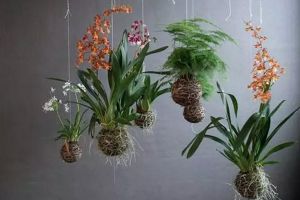
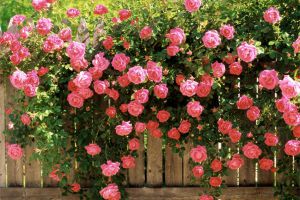
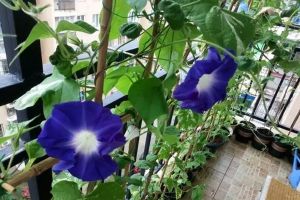
In terms of how they are used, tropical plants include species suitable for hanging cultivation as well as vigorously growing climbing plants that can be trained to create flower walls or green porch corridors; there are also varieties with dense foliage that are suitable for planting in rows to form a natural plant curtain, which can provide shade and cooling in summer. In addition, many small and medium-sized tropical plants have good shade tolerance and are also very suitable for placing in indoor spaces such as offices.
For home care of tropical plants, the key is keeping them warm, maintaining humidity, and providing reasonable light. In winter, they should be moved indoors in time and kept away from direct cold drafts; when the air is dry, spray water on the leaves and the surrounding area to increase humidity; follow the principle of watering when the soil is dry and letting it dry out between waterings, and avoid long-term waterlogging in the pot that can cause root rot. If yellowing leaves or failure to bloom occur, it is often related to insufficient light or a sudden change in environment. You can first adjust the placement, then gradually improve water and fertilizer management, and the plant will generally recover slowly.
Related Reading