What Are Some Strange Plants? Get to Know the Odd and Curious Green Plants of the Natural World
Strange plants are varieties whose form, habits or functions clearly differ from common ornamental plants. Some prey on insects, some have leaves that close at a touch, and others disguise themselves as stones. Most come from specific regions and have evolved unique ways of surviving in nature to adapt to their environment.
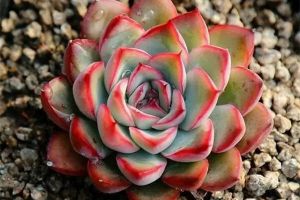
Among the common types, carnivorous plants such as Venus flytraps and pitcher plants are the most famous, relying on catching insects to supplement their nutrients; the leaves of sensitive plants (Mimosa pudica) fold and droop when lightly touched, which is great fun; living stones (Lithops) look so much like pebbles that when not in flower they are almost unrecognizable as plants; and there are also varieties with swollen stems, such as the Buddha belly plant and the baobab, whose shapes are very eye-catching.
When it comes to care, strange plants have very different environmental requirements, so before buying one it is best to first understand the conditions of its place of origin. Carnivorous plants mostly prefer high humidity and plenty of diffused light, and are often grown in loose, nutrient-poor media such as sphagnum moss; sensitive plants and the like prefer warmth and sunlight; oddly shaped succulent varieties need controlled watering and good ventilation. The general principle is to mimic the native environment as closely as possible and avoid moving the pot frequently.
Many beginners think strange plants are hard to grow, but in fact most problems come from a mismatched environment, such as insufficient light, overwatering or air that is too dry. In addition, the traps of Venus flytraps can only open and close a limited number of times, and sensitive plants should not be poked and prodded repeatedly; reducing human interference is the only way to keep them growing for a long time. Placing a few pots at home or in the office adds interest and also lets people directly experience the wonders of plants.
Related Reading