A Detailed Guide to the Characteristics and Care of the Orange Jessamine Plant
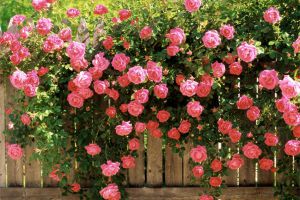
In everyday life, "qilixiang" usually refers to Murraya paniculata (orange jessamine) in the rue family, also known as "yueju" (moon orange) and "qianlixiang" (thousand-mile fragrance), and it is an evergreen shrub or small tree. Its branches and leaves stay green all year round, and the small white flowers it produces are intensely fragrant and their scent can carry far, which is how it got its name. Note that the plants called qilixiang vary from place to place; in some regions, the climbing rose (Rosa banksiae) or Pittosporum tobira is also called qilixiang.
This plant has a long flowering period and often blooms several times in the warm season, with clusters of small white flowers opening; after flowering it also produces small red fruits, so you get both the flowers and the fragrance. The leaves are glossy and shiny, and the plant has a compact habit and tolerates pruning well, making it very suitable for shaping into hedges or bonsai forms. With proper care it grows lush and full of leaves and has high ornamental value.
For care, the orange jessamine likes a warm, humid environment with plenty of sunlight; only with sufficient light does it bloom abundantly, and if kept in a dark place for a long time it tends to grow only leaves and no flowers. The soil is best loose, fertile and well drained; when watering, follow the principle of letting the soil dry before watering again, and never let water accumulate in the pot, which can cause root rot. During the growing season, you can prune leggy branches appropriately to keep the plant looking tidy, and in winter be sure to protect it from the cold and keep it warm.
In terms of use, the orange jessamine is often planted in courtyards and on balconies as a hedge or as a single specimen for its flowers, and it can also be grown as a bonsai and placed in a hall. Its fragrance is light and long lasting, and it can attract bees and butterflies to a small yard, adding a great deal of life. However, the scent is fairly strong, so if you place it indoors, it is best to choose a well-ventilated spot to avoid the heavy fragrance affecting rest.
Related Reading