Master the technique of growing honeysuckle in pots and enjoy a pot full of blooms at home
The botanical name of honeysuckle (Japanese honeysuckle, Lonicera japonica) is Rendong, so named because the flowers are pure white as silver when they first open and turn golden yellow a few days later, and often a single plant can show both silver and gold flowers at the same time. It is highly adaptable, tolerant of cold, drought and poor soil, and its soft, pliable branches can be shaped; it can both climb onto a support and be pruned into a small shrub form, making it very suitable for home pot cultivation and viewing, and when it blooms the flowers can also be picked and dried for making tea.
To grow honeysuckle in a pot, the first step is to choose a good container; a clay or tile pot with a fairly large diameter and drainage holes at the bottom is ideal, with moderate depth to leave the roots plenty of room to spread. A loose, fertile, well-drained sandy loam is best for the soil; garden soil mixed with leaf mold and a small amount of river sand can be used, and before potting, place broken tile pieces at the bottom of the pot to help with drainage and aeration.
In terms of care, make sure there is plenty of light; it can usually be placed in a sunny spot on a balcony or windowsill, as insufficient light easily leads to leggy branches and leaves and fewer flowers. Water according to the principle of watering when dry and letting it dry between waterings; water thoroughly once the surface of the potting soil dries out, and never allow waterlogging that rots the roots. During the growing season, apply light fertilizer frequently, mainly dilute decomposed liquid fertilizer, and appropriately supplement phosphorus and potassium fertilizer before buds appear to increase the number of flowers.
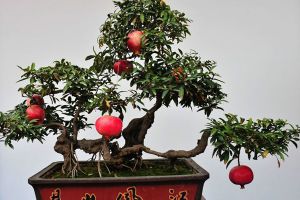
Pruning potted honeysuckle is very important; before spring budding, cut off dead branches, weak branches and overly dense branches, and after flowering, promptly cut back the spent flowering branches, which can encourage new branches to sprout and produce more flowers the following year. Because the branches climb well, a support or old trunk can also be used for shaping, training the plant into a bonsai posture for greater ornamental value.
In daily management, pay attention to ventilation; a stuffy, humid environment easily attracts aphids or causes powdery mildew. If pests are found, promptly remove the affected branches and leaves, and only spray pesticide when the situation is serious. If the leaves turn yellow and drop, it is mostly related to overwatering and insufficient light, and after adjusting the care method it can generally recover gradually.
Related Reading