A Complete Picture Gallery of Bonsai and Flowering Plants: Get to Know Common Bonsai and Flowering Plant Varieties
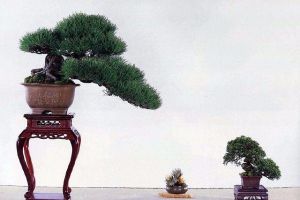
The complete picture gallery of bonsai and flowering plants brings together images of all kinds of bonsai and flowering plants, and is a commonly used reference for flower lovers to get to know and admire bonsai. Through these pictures, you can directly see the forms different plants take after being made into bonsai, and you can also compare a variety of styling styles, providing a reference for choosing varieties and learning how to make them.
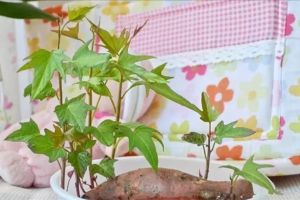
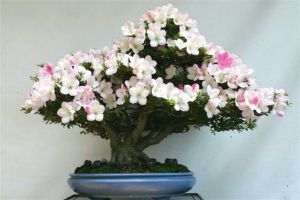
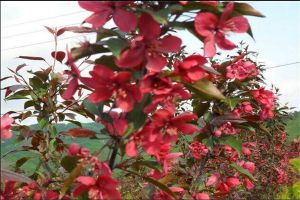
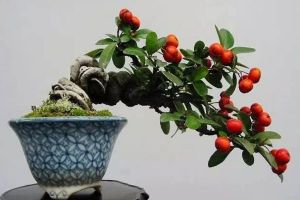
Judging from common content, bonsai and flowering plants can be roughly divided into conifer and cypress types, flowering tree types, and flowering and fruiting types, among others. Conifer and cypress types have rugged, vigorous branches and stay evergreen through all four seasons; flowering tree types such as Satsuki azalea (Rhododendron indicum) and plum blossom (Prunus mume) are mainly grown for their flowers; flowering and fruiting types such as papaya crabapple (Chaenomeles cathayensis) and pomegranate (Punica granatum) can be enjoyed both for their flowers and their fruit. In addition, some everyday materials are also made into bonsai by enthusiasts, such as sweet potato bonsai, whose green leaves and trailing vines are equally charming.
When browsing the pictures, you can pay attention to a few details: first, whether the root spread is stable; second, whether the transition of the trunk is natural; third, whether the layers of branches are distinct. These points also apply to selecting materials and pruning when making bonsai yourself; comparing as you look at the pictures will help you improve faster.
It should be noted that pictures are only a reference after all, and actual care must also take the plant's habits into account. Most bonsai and flowering plants prefer an environment with plenty of light and good ventilation; watering should follow the principle of letting the soil dry before watering again, along with moderate pruning, to maintain a compact and elegant plant shape. When choosing, give priority to species suited to the local climate, and later care will be more effortless.
Related Reading