Climbing Plants: Characteristics, Common Types, and Home Care Methods
Climbing plants is a general term for a group of plants with slender stems that need the support of a trellis, wall, or other object to grow upward. Most of them have specialized climbing organs, such as tendrils, aerial roots, adhesive pads, or twining stems, which allow them to attach to a support and keep extending upward, making them very widely used in vertical greening and home gardening.
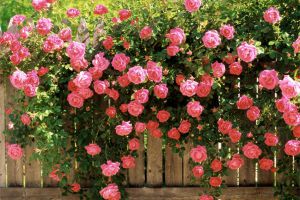
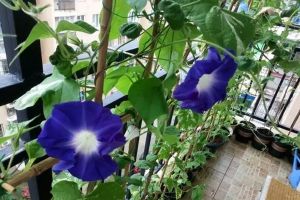
In terms of climbing method, climbing plants can be roughly divided into several categories: twining types such as morning glory and wisteria, which rely on their stems rotating and winding around a support; tendril types such as peas and grapes, which grip with tendrils; adhesive types such as Boston ivy and ivy, which cling to walls with adhesive pads or aerial roots; and trailing types such as climbing roses, whose branches are soft but do not climb on their own and require manual guiding and tying to secure them.
When caring for climbing plants, the first step is to set up a trellis according to the characteristics of the variety or guide them to cling to a wall, so that the branches are distributed evenly and do not become tangled and piled up. Most climbing plants prefer a location with ample light; insufficient light easily leads to leggy growth, paler leaf color, and even failure to bloom. Watering generally follows the principle of letting the soil dry before watering again, fertilizer can be supplemented appropriately during the growing season, and after flowering, spent branches and overly dense branches should be pruned promptly to maintain ventilation and encourage blooming the following year.
Climbing plants have high application value in courtyards, balconies, porches, and other settings; they can be made into flower walls, green corridors, or plant curtains, blocking sunlight and helping to cool things down in summer, while also purifying the air and adding greenery. It is worth noting that varieties with strong clinging ability, such as Boston ivy, may have a certain effect on the surface of old walls when they cling to them over the long term, so before planting, suitable varieties and guiding methods should be chosen according to the site conditions.
Related Reading