A Detailed Guide to Sowing Baby's Breath Seeds and Care Tips
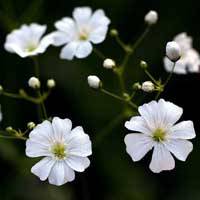
Baby's breath (Gypsophila) is a herbaceous flowering plant in the carnation family, Caryophyllaceae, genus Gypsophila, named for its tiny white flowers that look like scattered stars. Baby's breath seeds are extremely small, with a very low thousand-seed weight, and are mostly dark brown in color. Plants grown from sown seed branch heavily and produce abundant flowers, making them a common material for cut flowers and garden flower borders.
Sowing baby's breath seeds is mostly done in spring and autumn when temperatures are mild, avoiding the high heat of midsummer and the severe cold of winter. Because the seeds are tiny, broadcasting is generally used: scatter them evenly over the surface of a loose, airy, well-draining seed-starting soil, then cover with a very thin layer of fine soil or simply press them in lightly, since covering too thickly can make germination difficult. After sowing, keep the soil slightly moist and place the tray in a spot with plenty of bright indirect light and good ventilation; at suitable temperatures, sprouts generally emerge in one to two weeks.
After seedlings emerge, thin them promptly, removing those that are too crowded or spindly, and transplant them once the seedlings have grown several true leaves. Baby's breath likes a location with ample light and should receive full sun during the growing period; water according to the principle of letting the soil dry out between waterings, and never let water accumulate, which causes root rot. A loose, fertile, well-draining sandy soil that is neutral to slightly alkaline is best. During the growing period, apply light fertilizer frequently to encourage branching and flowering.
When baby's breath blooms, the mass of flowers looks like snow. It can be used as a cut-flower filler and is also suitable for flower beds, flower borders, or container growing, and can be dried into dried flowers. If seeds fail to sprout for a long time after sowing, it is usually related to old seed, overly thick soil cover, unsuitable temperatures, or soil that is too wet. Buying fresh seed and paying attention to sowing details can greatly increase the germination rate.
Related Reading