The Legendary Origins of the Datura Flower and a Detailed Explanation of Its Floral Symbolism
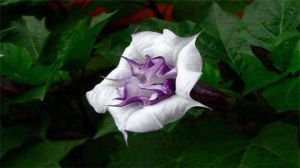
Datura is an annual herbaceous plant in the genus Datura of the nightshade family (Solanaceae). Its flowers are large and trumpet-shaped, opening mostly in the evening and giving off a rich fragrance. Its name comes from Sanskrit, and in Buddhist scriptures it is called the flower of the heavenly realm. Legend has it that when the Buddha preached, datura petals would drift down from the sky, which is why it carries a sacred and solemn quality in Eastern culture.
Legends about datura are widely circulated. In Eastern folk tales, it is often portrayed as a mysterious flower linking the human world with the underworld, carrying imaginings of life and death, fate and obsession. In Western legends, because it blooms at night and has a strong scent, datura is often associated with witchcraft and the occult, and is regarded as a flower with magical powers, full of taboo associations.
In the culture of floral symbolism, the datura flower's meaning is usually interpreted as unpredictable death and love, symbolizing beauty and danger existing side by side. Different colors of datura carry other meanings as well, mostly revolving around themes such as purity, longing and love, expressing people's complex feelings of both fascination and fear toward this flower.
It should be noted that the entire datura plant is toxic, with the seeds being especially poisonous. It must not be picked or eaten, and when grown in a garden, children and pets should be kept away from it. When admiring its legends and its blooms, keeping a distance and staying safe is the only way to safely appreciate this flower's unique and mysterious charm.