Characteristics, Care Methods and Common Problems of the Mock Lime (Aglaia odorata)
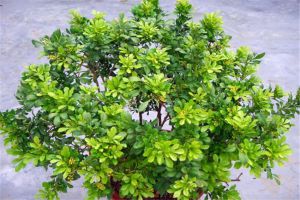
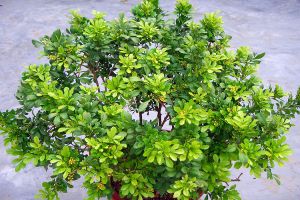
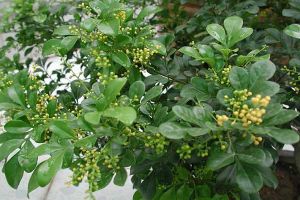
The mock lime (Aglaia odorata) is an evergreen shrub or small tree of the genus Aglaia in the Meliaceae family. It is a woody plant, named for its tiny, rice-grain-sized flowers and its fragrance, which resembles that of orchids; in some places it is also called mizailan or shulan. Its branches and leaves are dense, its leaves are pinnately compound, and it stays green all year round, making it a very popular ornamental plant for courtyard landscaping and home container growing.
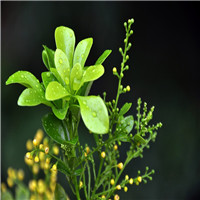
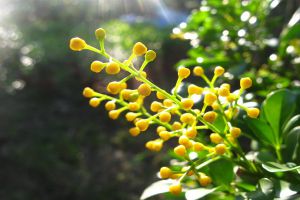
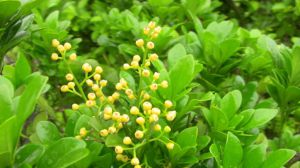
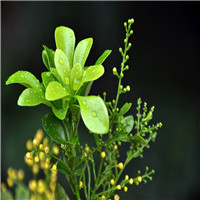
The most striking feature of the mock lime is its floral scent. The flowers are yellow, small and densely clustered, borne in strings in the leaf axils, and at peak bloom the fragrance is delicate and long-lasting. In a suitable temperature environment the flowering period is fairly long, with blooms especially abundant in summer and autumn; with proper care it can flower several times a year.
As for care, the mock lime likes a warm, humid environment with plenty of light, is not cold-tolerant, and in winter needs to be kept warm with reduced watering. It is best planted in loose, fertile, well-drained slightly acidic soil, and watering should follow the principle of letting the soil dry before watering again; long-term waterlogging of the potting soil easily causes root rot. During the growing season, light, frequent fertilizing helps the branches and leaves grow lush and keeps it flowering; besides soil culture, hydroponic growing can also be tried.
The mock lime can be planted in the ground to adorn a courtyard, and is also suitable for placing on balconies, in living rooms and similar spots. Apart from its ornamental value, its flowers can also be used to scent flower tea and to extract natural fragrance, and in traditional belief it also carries an auspicious and beautiful meaning. In day-to-day care, if problems such as wilting leaves, no new leaf growth or root rot occur, they are mostly related to insufficient light, improper watering or sudden environmental changes, and adjusting the care approach in time will let it gradually regain its vitality.
Related Reading