Plum Tree Planting and Care Key Points Explained Clearly in One Article
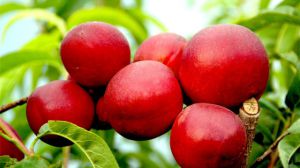
The plum tree is a deciduous tree of the genus Prunus in the rose family (Rosaceae). It is one of the fruit trees with a long history of cultivation and a wide distribution in China, and can be seen in both northern and southern regions. Its tree form is relatively spreading, its leaves are mostly oblong-elliptical, and it produces small white flowers in early spring. The fruit is a drupe, with the ripening period mostly concentrated in summer; the skin color varies by variety, including red, yellow, purple, green and others.
The plum tree has strong adaptability, likes sunlight, and is also relatively drought-tolerant and tolerant of poor soil. It is not strict about soil requirements, but grows better on plots with deep soil layers, good drainage and ample sunlight. It enters the fruiting stage relatively early, and with proper management it can maintain fairly stable fruiting capacity for many years, which is why it is welcomed by many growers.
Common cultivated varieties include Qingcui plum, Cuihong plum, Fengtang plum, Black Bulin (Black Amber), Sanhua plum and others. The flesh flavor ranges from very sweet to sweet-and-sour, and the ripening periods also differ between early and late varieties. When choosing varieties, local climate, soil conditions and market conditions are generally taken into comprehensive consideration to avoid unsuitable results caused by blind introduction.
In terms of care and management, the plum tree requires good work in fertilization, watering, pruning and pest and disease control during its growing period. Pruning is mainly aimed at thinning out overly dense branches, crossing branches and diseased or pest-infested branches to keep the canopy ventilated and light-permeable; cleaning the orchard in winter and scraping off old, loose bark can reduce the sources of pests and diseases for the coming year. The flowering period and young fruit period are relatively sensitive to water and fertilizer, and balanced supply helps increase the fruit-setting rate.
In addition to being eaten fresh, plum fruit can also be processed into products such as preserved fruit, jam and fruit wine, giving it a wide range of uses; in spring, the plum tree is full of blossoms and is also often used for courtyard landscaping and ornamental viewing. The flesh contains a variety of vitamins and minerals, and eating it in moderation is beneficial to health. Its specific effects and functions can be further understood by referring to related reading on this site.
Related Reading