Is the Kalanchoe (Bryophyllum) Flower Toxic? A Guide to Its Toxicity and Safe Care
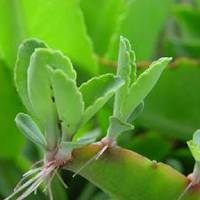
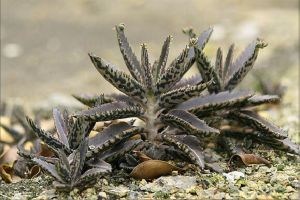
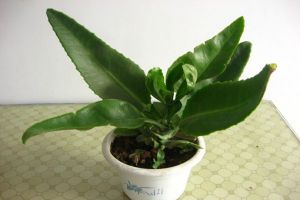
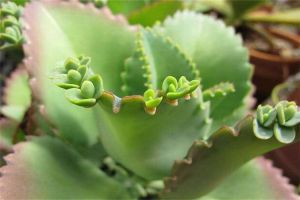
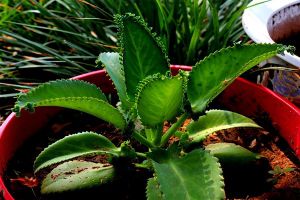
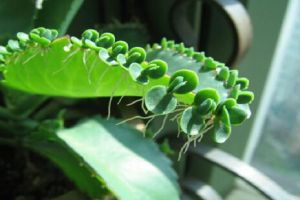
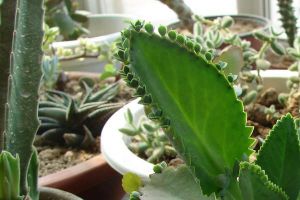
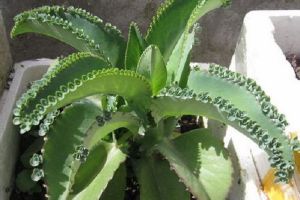
Kalanchoe (Bryophyllum) is a perennial succulent herb in the Crassulaceae family, named for the tiny plantlets that grow along its leaf margins and can take root and sprout as soon as they fall onto soil. Many plant lovers wonder whether it is toxic. In fact, the leaves and flowers of Kalanchoe contain a small amount of cardiac glycosides, making it a low-toxicity plant. Displaying it for ornamental purposes under normal conditions causes no harm, but no part of it should be eaten.
Its toxicity is mainly concentrated in the sap. If a person accidentally eats a large quantity of leaves, symptoms such as nausea and abdominal discomfort may occur as a gastrointestinal reaction; brief skin contact with the sap is generally not a problem, though a small number of sensitive individuals may feel mild irritation, so it is best to wear gloves when pruning or pinching off the growing tips. Those who keep cats and dogs at home should also be careful, as pets that chew and eat too many leaves are likewise prone to discomfort.
It should be noted that when Kalanchoe blooms, its corolla droops and resembles a small lantern, giving it high ornamental value, and the flowers themselves carry no additional toxicity risk. In folk medicine, its leaves are often pounded and applied externally to treat small wounds; this is a traditional empirical use, and for any specific application you should consult a doctor or pharmacist. Never take it internally on your own.
For day-to-day care, as long as you do not ingest it and do not let pets chew on it, you can grow Kalanchoe with peace of mind by placing it in a ventilated, sunny spot. If family members or pets show obvious discomfort after accidental ingestion, seek medical attention promptly and accurately tell the doctor the name of the plant involved so that appropriate treatment can be given.