An Introduction to the Characteristics, Flowering Period and Care Methods of the Air Plant (Bryophyllum)
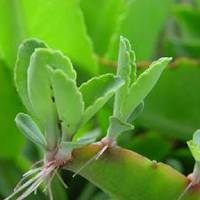
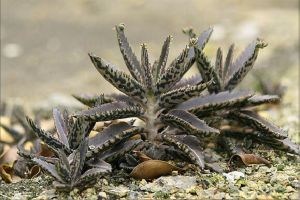
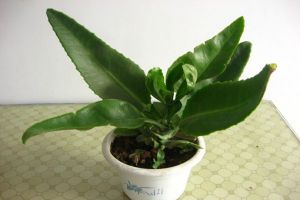
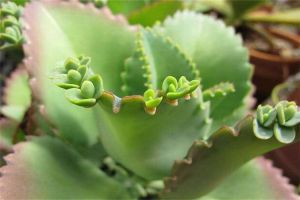
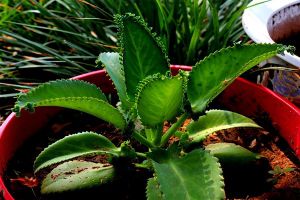
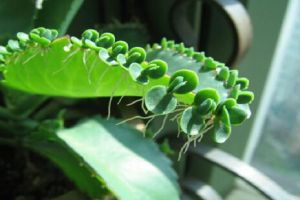
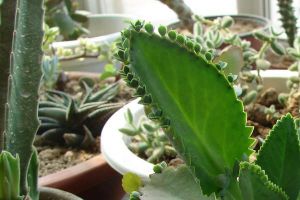
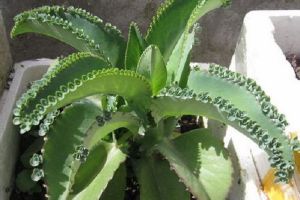
The air plant (Bryophyllum) is a perennial succulent herb in the Crassulaceae family, often called the "phoenix of immortality" by gardening enthusiasts. Its most distinctive feature is that many small plantlets grow along the edges of its leaves; these plantlets quickly take root and survive once they drop onto the soil surface, which is how it got the name "falling to the ground and taking root." The plant has thick, juicy leaves, and common varieties such as the large-leaf Bryophyllum and the stick-leaf Bryophyllum differ in leaf shape and plant form.
As for care, the air plant likes a sunny, warm and dry environment, and is drought-tolerant but afraid of waterlogging. Watering should follow the principle of "dry then wet": water thoroughly only after the soil has dried out completely, to avoid water accumulating in the pot and causing root rot. Pinching back appropriately during the growing season can control plant height and encourage branching, making the plant form more compact and full; in the strong light of midsummer, shade it appropriately.
Flowering is a concern for many gardening enthusiasts. The air plant usually only sends up a flower stalk and blooms after the plant has grown to maturity, with the flowering period mostly concentrated in winter and spring; the flowers open in clusters, shaped like small lanterns, and are highly ornamental. After flowering, the spent stalks should be cut off promptly to reduce nutrient consumption and let the plant recover its growth.
It should be noted that the sap of the air plant is somewhat toxic, so when pruning, avoid letting the sap touch the skin and eyes; if there are young children or pets at home, prevent them from eating it by mistake. In folk tradition it is often used as a medicinal herb, believed to clear heat and detoxify and to reduce swelling and relieve pain, but since the plant itself contains toxins, never take it orally on your own; medicinal use must always be carried out under professional guidance.