Kalanchoe is easy to grow and keep alive; the key is understanding its habits and care needs
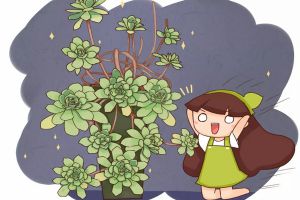
Kalanchoe is a perennial succulent herb in the genus Kalanchoe of the Crassulaceae family, also known as chicken-claw sanqi, false water-willow, great revival, and other names; it is a close relative of the common flowering kalanchoe (Kalanchoe blossfeldiana). Its leaves are thick and juicy, with deep pinnate lobes shaped like chicken claws, which is how it got its name. When it blooms, it produces clusters of small yellow flowers, and its plant form is distinctive, giving it some ornamental value.
Kalanchoe originates from tropical regions and likes a warm, dry environment with plenty of sunlight. It has strong drought tolerance and most fears long-term damp, waterlogged potting soil. It is suited to loose, breathable, well-drained sandy soil; heavy clay soil easily causes root rot. It is not cold-hardy in winter, and when temperatures are low it needs to be moved indoors for warmth to avoid frost damage.
For daily care, you can refer to succulent plant methods: water according to the principle of letting the soil dry before watering again, and err on the side of less rather than more. With sufficient light, the plant stays compact and the leaves thick; with long-term lack of light, it easily becomes leggy and weak. During the high-temperature period in summer, growth slows, so pay attention to shading and ventilation and appropriately reduce watering. Propagation is mainly by cuttings: cut healthy branches or leaves, let the wounds dry, then insert them into slightly moist sandy soil and keep them warm and ventilated; they root and survive very easily.
Kalanchoe can be grown in pots for ornamental viewing, and among the people it is also often used as an herbal medicine; it is said to have effects such as clearing heat and detoxifying, but medicinal use requires caution and is best done under professional guidance. When grown at home, if the stems and leaves become soft and leaves drop, it is mostly caused by overwatering or poor ventilation; controlling water in time and improving ventilation will generally allow it to slowly recover.
Related Reading