A Detailed Guide to the Characteristics, Classification and Care of Flowering Plants
Flowering plants usually refer to angiosperms, the largest and most widely distributed group in the plant kingdom. Their typical feature is the ability to produce true flowers, which are made up of parts such as the calyx, petals, stamens and pistil; after pollination and fertilization they form fruits and seeds, completing the reproductive process.
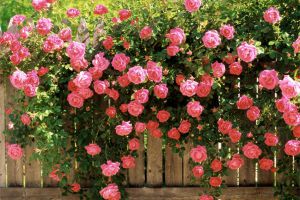
In terms of form, flowering plants can be divided into two main groups: herbaceous and woody. Herbaceous ones such as chrysanthemums, petunias and hyacinths have shorter growing cycles and are well suited to pots and flower beds; woody ones such as Chinese roses, osmanthus and cherry blossoms live longer and are often used for courtyard and roadside landscaping. Classified by blooming season, there are also different types that flower in spring, summer, and autumn and winter; combining them sensibly keeps a garden interesting in all four seasons.
When caring for flowering plants, light, water and nutrients are the key factors. Most flowering plants need plenty of sunlight, and insufficient light tends to cause leggy stems and leaves while delaying flowering for a long time. Water moderately during the growing season, supplement with a fertilizer higher in phosphorus and potassium before the flowering period, and promptly cut off spent flowers and overly dense branches after blooming to help the next flush of flowers come on stronger.
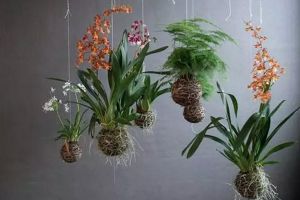
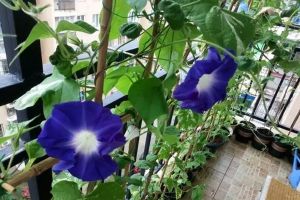
Among common problems, failure to bloom draws the most attention; besides light, too much nitrogen fertilizer, improper pruning or a plant that is not yet mature can all affect flowering. When growing them at home, you can also display them in hanging baskets, on climbing trellises and the like, so that flowering plants on balconies and indoors can purify the air and decorate the space.
Related Reading