Key Care Tips and Cutting Propagation Methods for the Elephant Bush (Portulacaria afra)
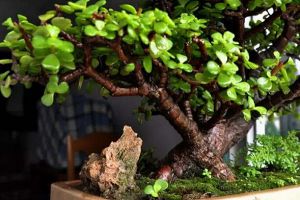
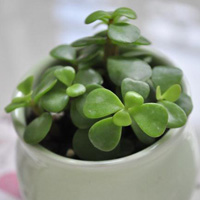
The elephant bush (Portulacaria afra) is a succulent in the purslane family (Portulacaceae), genus Portulacaria, also known as the purslane tree or ginkgo wood, and is native to South Africa. Its stems are fleshy, with old branches taking on a purplish-brown color, and its leaves are small, plump, and glossy green. With an ancient, rugged form, it is often pruned and shaped into bonsai, making it highly ornamental when placed in the home, which is why it is so loved by plant enthusiasts.
In terms of habit, the elephant bush prefers a warm, dry environment with plenty of sunlight. It is drought-tolerant and afraid of waterlogging, and is not demanding about soil, with loose, breathable, well-draining sandy soil being best. With sufficient light, the plant stays compact and the leaf color is bright; long-term lack of light tends to cause leggy growth, with weak, thin branches and sparse leaves. It is not cold-hardy, so in winter take care to protect it from the cold and move it indoors in time to avoid cold damage.
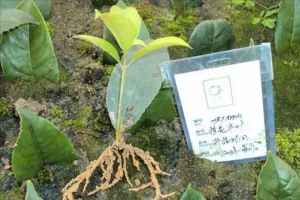
Propagation is mainly by cuttings. In spring and autumn, cut healthy branches, let the wounds dry, then insert them into slightly moist sandy soil and place them in a warm, ventilated spot; they root and survive very easily. Leaf cuttings can also be tried. For daily watering, the rule is to err on the dry side rather than wet: water thoroughly only after the potting soil has dried out completely. During the growing season, a little diluted liquid fertilizer can be applied, and attention should be paid to pruning and shaping so the plant becomes fuller and more attractive.
A common problem in care is scale insects, which appear as small white bugs or waxy secretions on the branches and leaves. When there are only a few, they can be wiped off with alcohol or the infested branches cut away; in severe cases, spraying is needed for control. In addition, overwatering easily causes root rot. If the leaves are found to be soft and dropping, check the potting soil and root system, promptly reduce watering, trim the roots and replace the soil, and the plant will soon recover.
Related Reading