Oleander Picture Gallery: Get to Know This Beautiful but Toxic Ornamental Flowering Shrub
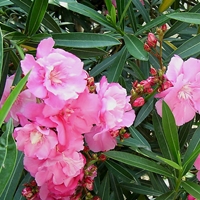
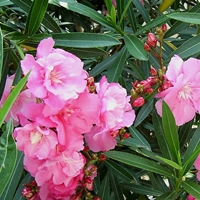
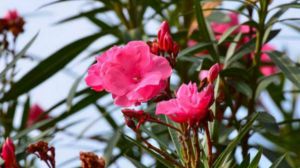
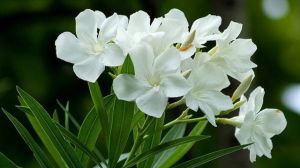
Oleander is an evergreen shrub in the dogbane family (Apocynaceae), named for its bamboo-like leaves and peach-like flowers. As you can see in oleander pictures, its flowers open in clusters, mostly pink or white, with funnel-shaped petals and a long blooming period, making it one of the common ornamental landscaping shrubs in China.
In the pictures, oleander has an upright form with dense branches and leaves, and narrow, leathery, glossy leaves. Besides the common pink and white, there are also double-flowered cultivars; when in full bloom the whole shrub is covered in flowers, giving it high ornamental value, and it is often used in median strips along roads and for landscaping in parks and courtyards.
Oleander has quite a few other names in different regions, such as willow-leaf peach, and although the names vary from place to place, they all refer to the same plant. When you see these names, you can tell whether it is oleander just by comparing the flower and leaf features in the pictures.
One special warning: the whole oleander plant is toxic, and its sap is highly poisonous. Enjoying the pictures is certainly pleasing to the eye, but in real life, when you come into contact with it or photograph it, do not break off branches or pick leaves, and certainly do not eat it by mistake. If your skin accidentally touches the sap, rinse it promptly with clean water, and households with children or pets should be especially careful.
Many people also wonder whether oleander can be kept indoors. Generally speaking, it is better suited to open, well-ventilated settings such as courtyards and balconies; indoor spaces are relatively enclosed, so keeping it there long-term is not advisable. If you like it, you might first learn about its form and habits through the pictures, and then decide where to plant it.