Are all plants in the Apocynaceae family toxic? A full analysis of the toxicity of common species
I. Whether they are toxic
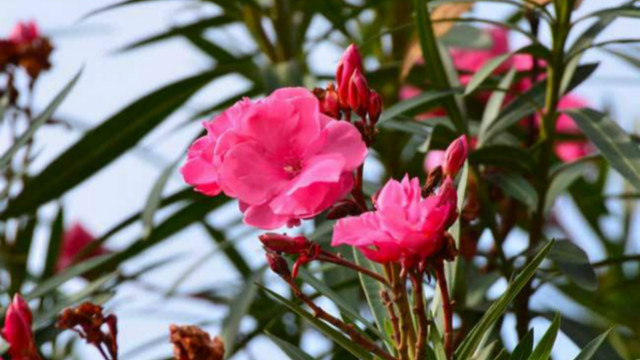
Plants in the Apocynaceae family are generally toxic. The milky sap and the seeds are especially toxic. Examples include the genera Thevetia, Cerbera and Strophanthus.
Although plants in the Apocynaceae family are all toxic, as long as you are normally careful, poisoning will usually not occur unless they are eaten by mistake or the sap touches a wound.
II. Uses and effects
1. Agriculture: In agriculture they can be used for insect control; for example, they have a toxic and killing effect on rice planthoppers, rice stem borers, cabbage caterpillars and aphids.
2. Fiber: They also provide excellent plant fibers, such as those of the genera Cyanchum and Apocynum; the fibers are very tough and are important raw materials for papermaking, the national defense industry and control.
III. Precautions
When growing plants of the Apocynaceae family, be sure never to place them where young children can reach them, to avoid poisoning from accidental ingestion.