A Detailed Guide to the Causes and Treatment of Root Rot in ZZ Plants
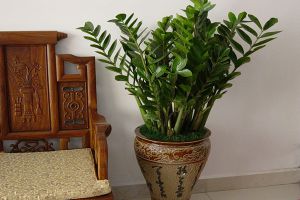
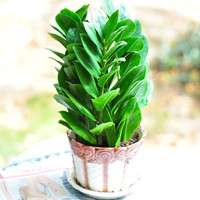
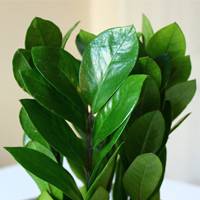
Root rot in ZZ plants (Zamioculcas zamiifolia) is a fairly common problem in home care, mostly caused by overwatering, poor drainage in the potting soil, or pathogen-laden soil. The ZZ plant grows underground tubers that can store a good amount of water, making it fairly drought-tolerant. If the roots sit in soggy, waterlogged soil for a long time, their respiration is blocked and they gradually turn black and rot.
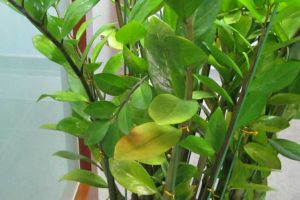
The signs of root rot usually appear first on the above-ground parts: leaves turning yellow and soft, losing their gloss, and leaf stalks tipping over at the slightest touch; in severe cases the tubers also become soft and black. Once you notice something wrong, you should take the plant out of its pot promptly, trim away the rotten roots and dead parts completely, disinfect with a fungicide such as carbendazim, let the wounds dry in a cool, ventilated place, and then repot in fresh, loose, airy soil.
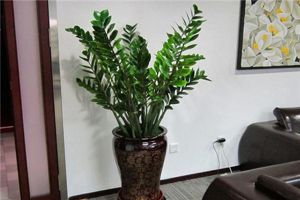
Prevention in daily care matters more than rescue. Water only after the potting soil has dried out completely, water sparingly in winter and keep the plant warm to avoid root rot triggered by low temperatures combined with wet soil; choose a loose, airy, well-draining growing medium, and make sure the pot has drainage holes at the bottom; keep it in a well-ventilated spot with bright, indirect light, and avoid a persistently stuffy, humid environment.
As long as you act in time, most ZZ plants with root rot can recover slowly; if the tubers have already rotted over a large area and are hard to save, you can also cut healthy leaves for cuttings to grow new plants. By watching for changes in leaf color and the wetness of the potting soil during care, and adjusting watering frequency and placement flexibly, you can noticeably reduce the chance of root rot occurring.
Related Reading