The flower language of the cockscomb (Celosia) symbolizes sincerity and eternity; it blooms in summer and autumn with a long flowering period
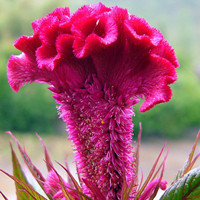
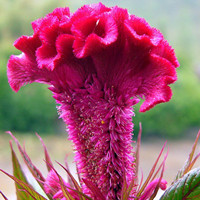
Cockscomb is an annual herbaceous plant in the genus Celosia of the amaranth family (Amaranthaceae). It gets its name because its flat, wrinkled inflorescence resembles a rooster's comb. The plant is generally several tens of cm tall, with upright, sturdy stems and alternate leaves that are mostly ovate or lanceolate. It prefers a warm climate and is widely cultivated across China, making it one of the common ornamental flowers of summer and autumn.
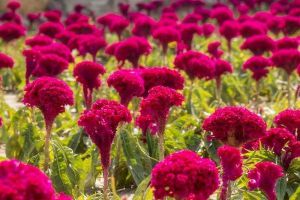
Its inflorescences come in rich forms. Besides the common cockscomb shape, there are also feather-like and spike-like variations. The colors are mainly warm tones such as red, yellow, and orange, vivid and intense, with a fairly long ornamental period. In horticulture, it is often divided by inflorescence form into types such as common cockscomb, child-and-mother cockscomb, and foxtail cockscomb, each with its own characteristics in plant height and flower shape.
Cockscomb usually blooms in summer and autumn, and its flowering period is long, lasting until the weather turns cool in autumn. In the culture of flower language, it is often given beautiful meanings such as sincere love and eternal love, and because the flowers remain unfaded for a long time, it is also often used to express lasting and stable affection. In various places, other names such as cockscomb crest flower and laolaihong are also passed down, mostly related to its flower shape and color.
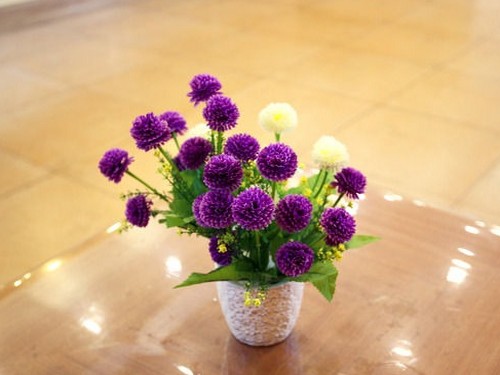
In terms of care, cockscomb likes full sunlight and a warm environment. It is not cold-tolerant and also fears waterlogging, so it is suitable for planting in loose, fertile soil with good drainage. During the growing period, it should not be watered too much; watering only when the soil is dry and letting it dry between waterings is enough, and with sufficient light the flower colors become more vivid. It is often used to arrange flower beds and flower borders, and can also be grown in pots for ornamental display. Its inflorescences do not easily fade after drying and can also be made into dried flowers. There are also records of its use as medicine in traditional Chinese medicine.