Is Mimosa Pudica Toxic? A Scientific Look at Its Toxicity and Care Essentials
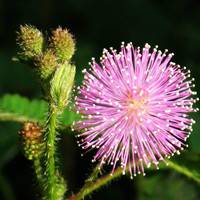
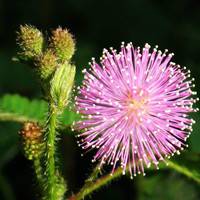
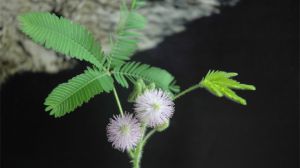
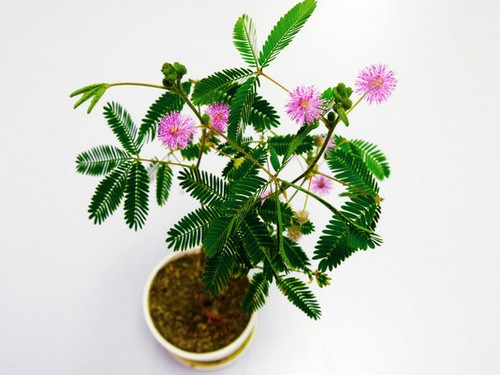
Mimosa pudica (shy mimosa, sensitive plant) is a perennial herb in the Fabaceae family, genus Mimosa, and is often grown as an annual ornamental in home cultivation. When its leaves are touched or shaken, they quickly close and the leaf stalks droop accordingly, then slowly unfold again a little later. This interesting stress response leads many people to keep it as a fun little potted plant.
As for toxicity, Mimosa pudica does indeed contain a substance called mimosine, mainly found in the stems and leaves and other parts, and its toxicity is relatively mild. Placed indoors normally for viewing, with occasional hand contact with the leaves, it generally will not cause obvious harm to the human body, but care should be taken to avoid ingesting it, and prolonged close contact should also be avoided.
When caring for it at home, keep a few points in mind: the placement should be well ventilated with sufficient light; wash your hands promptly after touching or pruning; if there are young children or pets in the home, it should be placed out of easy reach to prevent chewing and accidental ingestion. As long as these precautions are taken, Mimosa pudica is relatively safe as an ornamental plant.
In daily management, Mimosa pudica likes a warm, humid environment and is suitable for loose, well-drained soil. During the growing season, keep the potting soil slightly moist and provide plenty of sunlight, and the plant will grow more robustly. Because frequent handling will cause it to consume too many nutrients, touch it as little as possible when viewing it, which is more conducive to maintaining good growth.
In addition, in the language of flowers culture, Mimosa pudica is often given meanings such as shyness, sensitivity and politeness. Combined with its low care difficulty, it is very suitable as a casual, fun plant placed on a balcony or windowsill, adding a little pleasure to life.
Related Reading