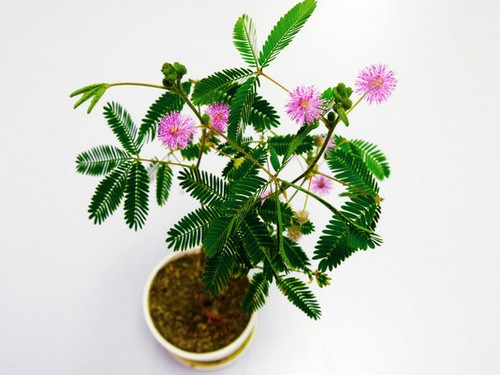
Mimosa Pudica Is Toxic: Learn About Its Toxicity and Care Tips for Peace of Mind
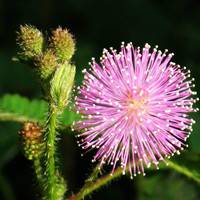
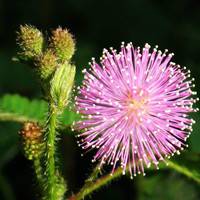
The toxicity of mimosa pudica mainly refers to the presence of a substance called mimosine in its plant body, and this compound is distributed in the stems, leaves, and even the seeds. Occasionally lightly touching the leaves for viewing generally will not affect the body, but if you come into contact with it frequently over a long period or ingest it by mistake, it may pose health risks.
In terms of the degree of toxicity, mimosa pudica is a mildly toxic plant, and the risk is not great at a normal viewing distance. Some say that long-term close contact with its sap may have adverse effects on hair health; pets or livestock kept at home are more likely to experience discomfort if they ingest large amounts by mistake. Therefore, occasionally playing with it is no problem, but it is not advisable to become overly obsessed with teasing it.
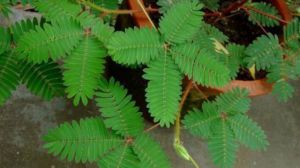
When growing mimosa pudica at home, it is recommended to place it on a balcony, in a courtyard, or in another well-ventilated spot that children cannot easily reach, and to try not to put it in the bedroom. After touching the leaves, wash your hands promptly, and avoid rubbing your eyes or directly handling food. When pruning or repotting, you can wear gloves to reduce direct skin contact with the sap.
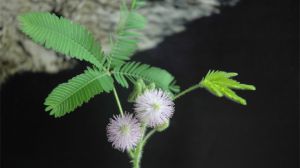
Overall, although mimosa pudica has a certain toxicity, as long as you do not ingest it by mistake and do not play with it excessively, it is still a safe and fun ornamental plant. Its unique reaction of folding its leaves when touched is deeply loved by everyone, and placing a few pots at home adds both fun and greenery.
Related Reading