A Complete Guide to Snake Plant Characteristics and Care Methods
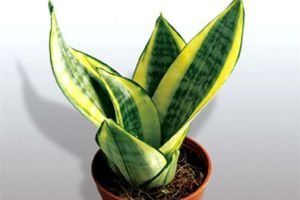
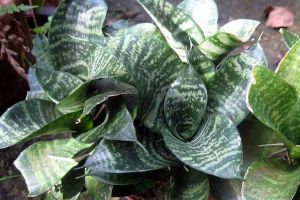
Snake plant, commonly known as tiger skin plant, is a perennial herbaceous foliage plant, named for its upright, erect leaves marked with patterns resembling a tiger's tail. It is native to tropical regions of Africa and Asia. With strong vitality and tolerance for both drought and shade, it is a common variety among household green plants and is well loved by beginners and gardening enthusiasts.
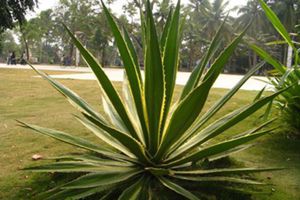
The leaves of the snake plant are mostly sword-shaped or lance-shaped and thick in texture, able to store water, so it will not easily wither even if watering is forgotten for a while. Common cultivated varieties include golden-edged snake plant, short-leaf snake plant, and cylindrical snake plant, each with its own characteristics in plant height, leaf shape, and markings. Many people easily confuse it with agave, but the two actually differ clearly in family, genus, and leaf texture.
For care, the snake plant likes a warm, sunny environment and can also adapt to semi-shady conditions, so it is best placed in a bright, well-ventilated spot. Watering should follow the principle of rather dry than wet; long-term soggy potting soil easily causes root rot, which is also the problem beginners encounter most often. In winter, keep it warm and protect it from freezing, while appropriately reducing watering so it can overwinter safely.
Snake plants are generally propagated by division or leaf cuttings. The operation is simple and the survival rate is relatively high; when well cared for, it easily grows many side shoots and forms a full, overflowing pot. Its plant form is simple and elegant, suitable for placement in indoor spaces such as living rooms and studies. It has ornamental value and is effortless to maintain, making it an ideal entry-level green plant.