How to Grow a "Thick-Skinned" Plant: Drought-Tolerant, Easy to Keep Alive, and Low-Maintenance
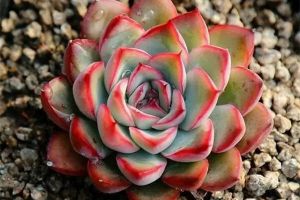
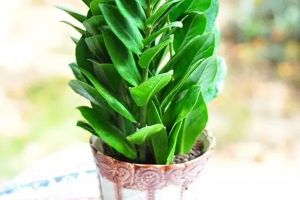
"Thick-skinned plant" is a folk name for a group of plants with thick, fleshy leaves that are tough and easy to grow, usually referring to Kalanchoe daigremontiana (mother of thousands) in the Crassulaceae family; in some places, similar succulents such as Crassula ovata (jade plant) are called this too. Its leaves are plump and fleshy and can store quite a bit of water, so it is very drought-tolerant and stays perky even if you forget to water it for a few days. The name sounds a bit teasing, but it perfectly captures its tenacious, easy-to-grow nature.
To grow a thick-skinned plant, the key is to hold back your hand and water sparingly. Water thoroughly once the soil has dried out completely, and do not let water sit in the pot, or the roots will easily rot. It likes a spot with plenty of sunlight; with enough light the leaves grow compact and plump, while a long period without light makes it leggy and thin. In winter, keep it warm, move it to a bright spot indoors, and reduce watering so it can get through the winter safely.
Its ability to propagate is especially strong: the edges of the leaves of Kalanchoe daigremontiana grow a ring of tiny plantlets that take root as soon as they fall onto soil, which is also where the name comes from. To grow a few more pots, just pick a healthy leaf and lay it flat on slightly moist soil, keep it in bright indirect light with moderate humidity, and before long little seedlings will sprout.
Thick-skinned plants are great on a balcony, windowsill or office desk, as they both dress up a space and need no fussy care, making them very suitable for beginners. Common problems are mostly root rot and leggy growth caused by watering too often; if you notice the leaves going soft and yellow, check the potting soil first, water less and give it more light, and it will generally recover.
Related Reading