Dragon fruit is the fruit of the night-blooming cereus, a member of the cactus family.
Dragon fruit is the fruit of Hylocereus undatus, a plant in the genus Hylocereus of the cactus family. Hylocereus undatus is a perennial climbing succulent shrub whose stem segments are triangular-columnar in shape; it often grows attached to a support and closely resembles a cactus in appearance. Its flowers are fairly large and mostly open at night; once dried, they are often called "overlord flower" (dried night-blooming cereus) and can be used in soups and cooking.
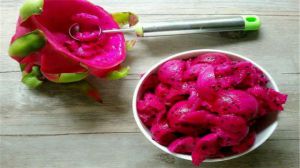
The skin of the dragon fruit is mostly red, covered with layer upon layer of green, scale-like bracts, so that from a distance it looks like a leaping flame, which is how it got its name. The flesh can be white or red, and evenly scattered through it are many small black seeds like sesame seeds, which can be eaten together with the flesh. The flesh is sweet and juicy, full of water, and also contains dietary fiber, vitamins, and various minerals and other nutrients.
Common dragon fruits can be divided by flesh color into two main categories: white-fleshed and red-fleshed. Red-fleshed varieties have purple-red flesh, generally richer flavor, and relatively higher sweetness; white-fleshed varieties taste more refreshing. There is also the yellow pitaya, whose skin is yellow and whose flesh is on the whiter side and relatively small in size; it is rather uncommon on the market.
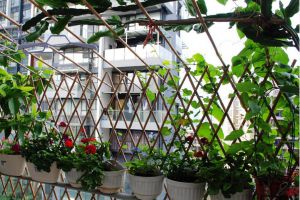
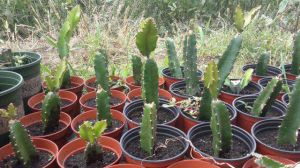
Dragon fruit plants are drought-tolerant and dislike waterlogging; they prefer a warm environment with ample light and are grown more widely in tropical and subtropical regions. In cultivation they are commonly propagated by cuttings or grafting, and because the stems are strongly climbing, they generally need a trellis for guidance. When grown as a potted plant at home, choosing loose, well-draining soil, controlling watering, and providing ample light still give it a chance to flower and fruit. Besides being eaten fresh, the fruit can also be juiced, tossed in salads, or made into desserts, making it a fruit with both ornamental and edible value.
Related Reading