Is the anthurium poisonous? Toxicity traits and care precautions
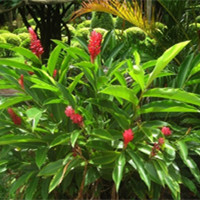
The anthurium is a perennial evergreen herb in the genus Anthurium, family Araceae, and many people also call it flamingo flower, painter's palette, or laceleaf. Its spathe is bright red and shaped like an open palm, with the spadix standing upright on it; it has a long ornamental period and is a very popular indoor potted flower.
As for toxicity, the answer is yes; the anthurium does carry a certain toxicity, but it is mainly concentrated in the sap. Like many plants in the Araceae family, its stems and leaves release sap when broken, and this sap contains irritating components such as calcium oxalate. People with sensitive skin may develop redness and itching after contact, and if ingested it irritates the mouth and throat, causing numbness, pain, swelling, and other discomfort.
It should be noted that this toxicity does not mean it cannot be kept. The anthurium does not release toxic gas into the air, and there is no problem with normal display and viewing or getting close to smell it, as long as it is not put in the mouth and the sap is not left in contact with the skin for a long time, it will basically not cause harm.
In daily care, it is best to wear gloves when pruning and repotting, and wash your hands promptly after finishing; if there are young children or cats and dogs at home, the flowerpot should be placed out of their reach to prevent chewing on the stems and leaves. If the skin accidentally comes into contact with the sap, simply rinse with clean water; if obvious discomfort occurs after ingestion, seek medical attention as soon as possible.
Overall, the anthurium is an ornamental plant with relatively low toxicity that can be safely grown indoors. Treat it as an ordinary potted plant and develop basic protective habits, and you can enjoy its beauty with peace of mind.
Related reading